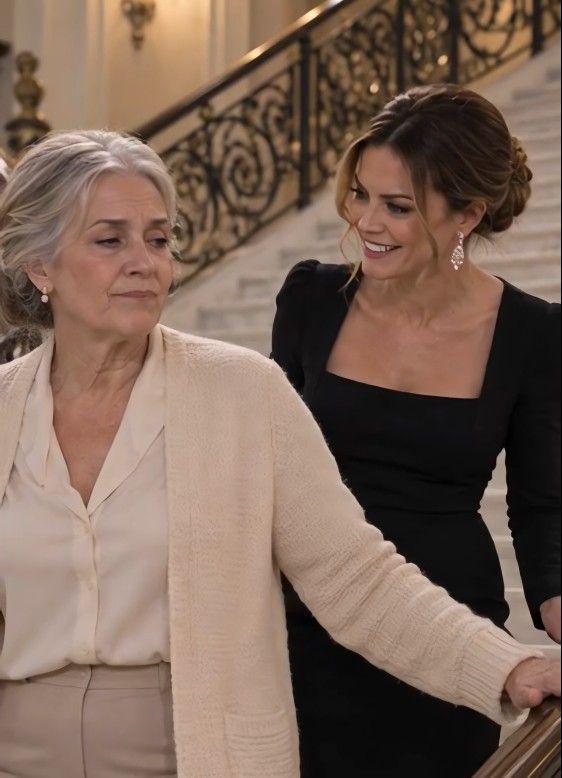
The next boundary test came sooner than Evelyn Parker expected. A request arrived in the familiar urgent tone, asking for an exception because the situation was supposedly different this time. Evelyn Parker read it twice before answering. In the past, the word urgent would have erased every other consideration. Now it triggered a question: urgent for whom? The answer made the decision clearer. Evelyn Parker responded with one calm sentence that preserved the boundary and offered only the help that could be given freely. There was disappointment on the other end, but no catastrophe followed. The world did not collapse because Evelyn Parker said no. That ordinary discovery became one of the clearest signs that healing had begun. Later, someone in Evelyn Parker’s support circle asked whether guilt had appeared. It had. The difference was that guilt no longer received decision-making authority. They talked about how strange it felt to let an uncomfortable feeling exist without immediately paying money, changing plans, surrendering space, or apologizing for having needs. The conversation ended with both of them laughing softly at how revolutionary something so basic could feel.
A few weeks later, Evelyn Parker returned mentally to the object that had anchored the crisis: the tablet showing staircase surveillance footage. It was tempting to throw it away, hide it, or remove every reminder. Instead, Evelyn Parker chose a gentler approach. The object was handled, documented if necessary, and then placed somewhere that felt appropriate rather than frightening. That choice mattered because it separated memory from control. The past could be remembered without being allowed to direct the present. Someone close enough to notice the change did not make a speech about it. A cup of tea appeared. A chair was pulled closer. They sat together and talked about an entirely unrelated subject until the conversation turned naturally toward future plans. The shift felt almost miraculous: a room once dominated by crisis was capable of holding boredom, jokes, and plans again.
The final repair was social rather than legal or financial. People who had heard only fragments of the conflict began reaching out. Evelyn Parker refused to campaign for sympathy and refused to supply private details merely to win public approval. A short truthful explanation was enough. Some people understood immediately. Others preferred the simpler old explanation. Evelyn Parker let them keep their distance. That restraint protected dignity. It also deprived Victoria Lane of another arena in which to force a performance. Over time, reputation settled around behavior rather than gossip. The people who mattered most had seen the truth directly and were now watching what everyone did with it. That was sufficient.
The next boundary test came sooner than Evelyn Parker expected. A request arrived in the familiar urgent tone, asking for an exception because the situation was supposedly different this time. Evelyn Parker read it twice before answering. In the past, the word urgent would have erased every other consideration. Now it triggered a question: urgent for whom? The answer made the decision clearer. Evelyn Parker responded with one calm sentence that preserved the boundary and offered only the help that could be given freely. There was disappointment on the other end, but no catastrophe followed. The world did not collapse because Evelyn Parker said no. That ordinary discovery became one of the clearest signs that healing had begun. Later, someone in Evelyn Parker’s support circle asked whether guilt had appeared. It had. The difference was that guilt no longer received decision-making authority. They talked about how strange it felt to let an uncomfortable feeling exist without immediately paying money, changing plans, surrendering space, or apologizing for having needs. The conversation ended with both of them laughing softly at how revolutionary something so basic could feel.
A few weeks later, Evelyn Parker returned mentally to the object that had anchored the crisis: the tablet showing staircase surveillance footage. It was tempting to throw it away, hide it, or remove every reminder. Instead, Evelyn Parker chose a gentler approach. The object was handled, documented if necessary, and then placed somewhere that felt appropriate rather than frightening. That choice mattered because it separated memory from control. The past could be remembered without being allowed to direct the present. Someone close enough to notice the change did not make a speech about it. A cup of tea appeared. A chair was pulled closer. They sat together and talked about an entirely unrelated subject until the conversation turned naturally toward future plans. The shift felt almost miraculous: a room once dominated by crisis was capable of holding boredom, jokes, and plans again.
The final repair was social rather than legal or financial. People who had heard only fragments of the conflict began reaching out. Evelyn Parker refused to campaign for sympathy and refused to supply private details merely to win public approval. A short truthful explanation was enough. Some people understood immediately. Others preferred the simpler old explanation. Evelyn Parker let them keep their distance. That restraint protected dignity. It also deprived Victoria Lane of another arena in which to force a performance. Over time, reputation settled around behavior rather than gossip. The people who mattered most had seen the truth directly and were now watching what everyone did with it. That was sufficient.
The next boundary test came sooner than Evelyn Parker expected. A request arrived in the familiar urgent tone, asking for an exception because the situation was supposedly different this time. Evelyn Parker read it twice before answering. In the past, the word urgent would have erased every other consideration. Now it triggered a question: urgent for whom? The answer made the decision clearer. Evelyn Parker responded with one calm sentence that preserved the boundary and offered only the help that could be given freely. There was disappointment on the other end, but no catastrophe followed. The world did not collapse because Evelyn Parker said no. That ordinary discovery became one of the clearest signs that healing had begun. Later, someone in Evelyn Parker’s support circle asked whether guilt had appeared. It had. The difference was that guilt no longer received decision-making authority. They talked about how strange it felt to let an uncomfortable feeling exist without immediately paying money, changing plans, surrendering space, or apologizing for having needs. The conversation ended with both of them laughing softly at how revolutionary something so basic could feel.
The final surprise came through a detail everyone had nearly overlooked: the tablet showing staircase surveillance footage. When Evelyn finally returned, she discovered Alexander had not replaced the staircase or hidden it. He had installed a second handrail on the opposite side after remembering she once mentioned preferring one. It was not an expensive gesture that impressed her; it was proof he had listened to a small need before a crisis demanded it. What had once seemed like evidence of betrayal or exclusion became part of an act of repair. Evelyn Parker touched it carefully and understood that healing had reached the point where memory no longer had to mean danger.
What remained was ordinary peace. There were mornings when Evelyn Parker woke before the alarm and lay still, listening for trouble that did not come. There were afternoons in Alexander’s mansion when a phone could ring without changing the temperature of the whole room. Meals became meals again rather than tests of loyalty. Money, property, caregiving, and invitations were discussed before decisions were made. The people who remained close learned that belonging did not require access to everything. Evelyn Parker learned that saying no could end a conversation without ending love. On one quiet evening, the people who had earned a place at the table gathered without ceremony. No one mentioned the old conflict until Evelyn Parker did, and when it was mentioned, nobody rushed to make it smaller. They remembered, acknowledged, and let the memory pass. That was new too. The past no longer had to be denied in order for the present to be gentle. Evelyn Parker looked around at faces that no longer demanded performance and felt the body release a tension so old it had once seemed like personality. Outside, the world continued in ordinary sounds. Inside, nobody was waiting for the next explosion. Evelyn descended the same staircase slowly with one hand on the new rail and Alexander several steps behind, close enough to help and far enough to let her choose the pace. The image was simple, almost too simple for everything that had come before. That was why it was enough. They had survived what taught them fear. Now they were finally allowed to learn what home could feel like again.
