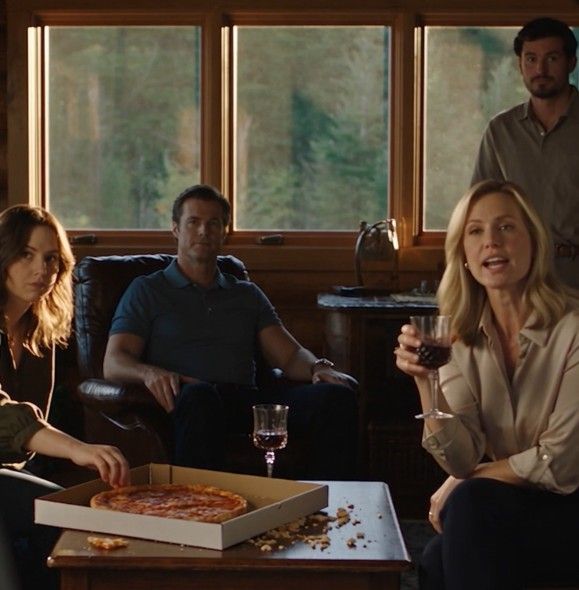
The following weeks were full of unglamorous work. The cleaner treated the rug. The cabinet lock was repaired. The realtor arranged applications and references, and I read the proposed lease with professional help before approving it.
I reviewed my own finances as well. Moving the sixty thousand dollars had not made it new money. It was still savings I had built over twelve years. What changed was the purpose I allowed myself to give it.
I kept it in arrangements suited to my retirement needs rather than rushing into something because it carried a comforting label. I asked about access, fees, taxes, and risk before deciding where each part belonged.
I also reviewed my estate documents. I wanted clear instructions, not a set of expectations shaped by whoever spoke loudest in my kitchen. My decisions would provide for my needs first and reflect my choices after that.
Nothing transferred ownership of the cabin that week. Nothing needed to. I remained its owner, and tenants would receive only the rights of the lease we signed. That plain distinction had become unexpectedly precious to me.
Mark paid the documented cleaning and repair costs. His first message with the payment said he hoped we could now put the situation behind us. I answered that the expenses were settled, but the conduct was not.
He went quiet for several days. I did too. I worked at my desk, took walks near the townhouse, and stopped checking the phone every time a car passed outside.
A friend named Louise invited me to lunch. She had heard only that I was preparing the cabin for tenants. When I told her what had happened, she listened without urging me to restore family peace by opening my wallet.
“What does peace look like to you?” she asked.
I looked at the small vase between us. “Not having to explain why I am still entitled to my own life.”
She nodded. “That sounds like a reasonable place to begin.”
We talked about other things after that. It helped to spend an hour as a person who liked soup and books, rather than as the mother in a dispute everyone wanted solved.
The tenants were a couple who needed a stable place while working in the area. They asked careful questions about heating, road conditions, and the maintenance process. They did not ask whether my son approved.
We met at the cabin before signing. I showed them the fuse panel and explained the small quirks of the windows. One of them noticed the burn on the porch railing and asked whether it needed repair.
“No,” I said, smiling. “It is just a mark.”
They accepted that answer. Their respect was ordinary, almost casual. After weeks of arguing over something so basic, ordinary respect felt like fresh air.
Once the lease began, I left the cabin to them. The rental income went toward the costs we had planned. There were invoices and maintenance requests, and I handled them promptly. The arrangement was work, but it was work that served my future rather than somebody else’s assumption.
Karen sent a brief message apologizing for the stained rug. She said Emily had told her the visit was fine. I replied that permission from someone who did not own the cabin was not permission from me.
Weeks later Paul mailed back the key. His note was shorter than Karen’s message, but more useful. He said they should have called me, and he regretted failing to speak when Karen talked about the place as theirs.
I did not invite them back. I acknowledged the note and closed that exchange. An apology could matter without earning access to my property.
Mark eventually asked to meet at a cafe. He arrived alone and ordered coffee without glancing at the menu prices. I wondered whether he was trying to look unaffected by the lost money. Then he took out a small notebook.
“I wrote down what I need to say,” he told me. “Because when I get nervous, I start defending myself.”
I let him read. He admitted he had copied the key without asking. He admitted he had known I needed the rental income and had decided one weekend would be easier to explain afterward than refuse beforehand.
He admitted the talk about inheritance had made him feel secure in ways his own savings did not.
“I treated your future like it was already over,” he said.
I looked at him across the table. It was the first time he had named the injury without reducing it to the mess in the living room.
“Yes,” I said. “You did.”
He cried. I let him. It was not the same as making him suffer. It was allowing him to have a feeling I did not have to fix.
He told me he and Emily had begun making a real budget. They were looking at less expensive homes and accepting that buying would take longer. She still thought I had overreacted, but he had stopped using that belief to excuse himself.
“What if she never agrees?” he asked.
“Then you will need to decide how to honor my boundary without requiring her agreement. You are my son. You can choose your own conduct.”
He nodded. I asked him to stop discussing what he expected to inherit with anyone. He said he would. I told him that future contact depended on respect in the present, not on assurances about what would happen after I died.
We left the cafe together. He offered to walk me to my car, then asked instead of assuming. I accepted. The question mattered.
Emily’s apology came later and was less complete. She acknowledged she had no right to lend the key. She still believed my response had been too severe. I told her she did not need to approve my financial decisions to respect them.
We agreed on practical limits. No access to the cabin, no borrowing my accounts, no plans made in my name, and no visits to my townhouse without arranging them first. I was willing to attend occasional family meals if those terms were honored.
The first meal was awkward. Nobody discussed houses. Mark washed the dishes while Emily wrapped leftovers, and I drove home without being asked to pay for anything. I did not mistake one decent evening for a repaired relationship. I allowed it to be one decent evening.
Over time there were more. There were also moments when I had to say no again. Each time I did, I learned that the world did not end because someone disliked my answer.
One morning I woke with a sore knee and realized how differently I thought about asking for help now. Before, I would have called Mark and then felt indebted for the ride, as if accepting care meant surrendering the argument we had finally settled.
I called a local service for the appointment instead. Later I told him about the visit, and he asked whether I needed groceries. I did. He brought them, put them on the counter, and waited while I checked the list.
“Did you want me to stay?” he asked.
