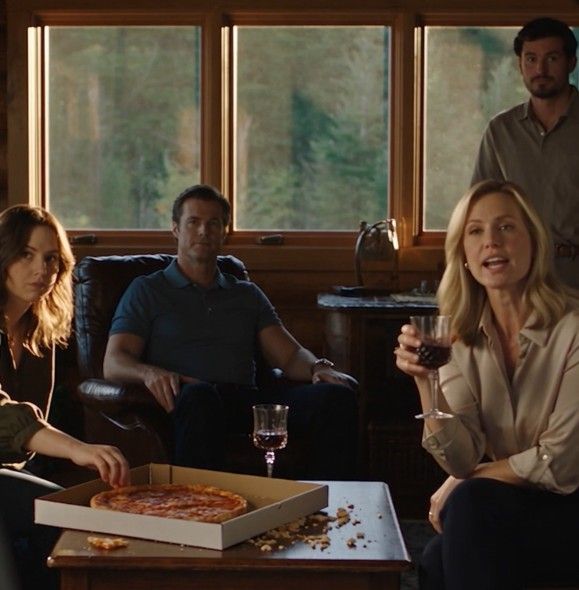
“For tea,” I said.
He sat in the same chair where he had first learned about the sixty thousand dollars. Neither of us mentioned it. We talked about my knee, his work, and the rain predicted for the weekend.
When he left, I realized receiving a bag of groceries had not cost me my boundary. Care did not have to be a currency. It could simply be something offered and accepted, without a deed or an account waiting underneath.
I wanted more of that in our lives. I could not manufacture it by being endlessly generous, but I could notice when it appeared and give it room.
That evening I wrote the word help in the notebook where I had once listed every unpaid favor. Beneath it I wrote asked, offered, accepted. The three words looked modest beside all those old amounts. They described a better arrangement than any sum I had saved for him, and one we could practice while we were both still here.
One rainy afternoon, I opened Thomas’s fishing box to sort the photographs. Beneath the watchband I found a small envelope, soft at the folds. It held a receipt from the sale of his fishing boat and a note I had forgotten he had written before his illness worsened.
I had put the boat money toward Mark’s future because I believed Thomas would have wanted that. Now I read the words he had actually left.
Keep a little room for yourself, Maggie. We worked too hard for you to spend your old age asking permission.
I sat with the paper in my hands while rain tapped the townhouse windows. The money I had saved for Mark had always felt like the final kindness I owed my husband. Here he was, in his own untidy handwriting, asking for a different kindness.
I was not taking something from our son by protecting myself. I was keeping faith with a man who had known the life we built was meant to hold me too.
Later I showed Mark the note. He read it quietly and gave it back. “Dad called you Maggie,” he said, smiling through wet eyes. “I forgot.”
“I haven’t,” I answered.
That autumn I used a small part of my own savings for a quiet weekend away with Louise. We stayed somewhere modest, walked slowly, and returned when we wanted to. No one had a spare key to the room. No one had expectations waiting beneath the door.
On my return I unpacked the crystal glasses and poured a little wine into one. I set Thomas’s note beside my chair and opened the window to the cool evening air.
The cabin was earning its keep. My accounts belonged to my future. My son was learning to meet me in the present. I lifted the glass, watched its edges catch the lamplight, and let a peaceful evening be enough.
