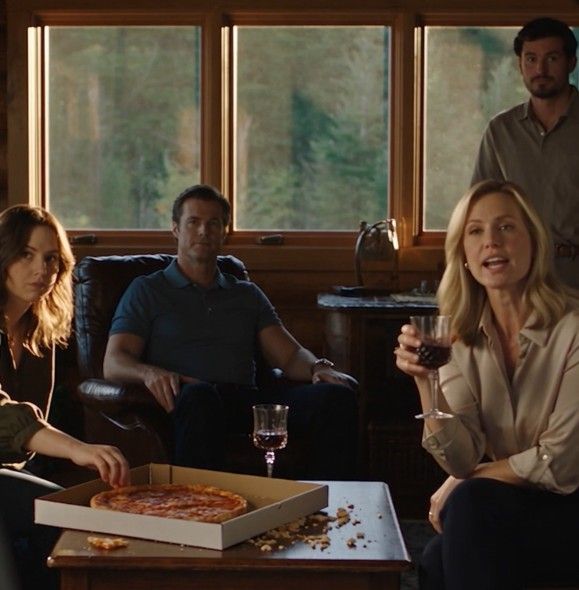
“You make it sound as if we were waiting for you to die,” he said.
“Were you talking about the cabin as yours?”
“Yes, but everyone talks about inheritance.”
“Did you talk about the cost of keeping it? About the income I need while I am alive? Or only about what you’d do once it belonged to you?”
He stopped pacing. He said nothing for long enough that I knew the answer before he gave it.
“Emily wanted to fix it up someday,” he said.
“Then she can buy a place to fix up. This one is supporting my life.”
I asked for every copy of the key. He said he did not know how many copies there were. Emily had given one to Karen, and Karen might have given it to Paul.
The uncertainty settled my decision more firmly than a neat confession would have. I could not build safety around keys whose location my own son had stopped tracking.
“The locks are being changed,” I said. “Your emergency access has ended.”
“What if something happens?”
“I will make new arrangements with people who understand what an emergency means.”
He stared at me. It seemed that losing a key hurt him almost as much as losing the money. The key had let him think he could enter without asking, even when my answer waited plainly on the other side.
Before he left, I told him there would be a bill for cleaning and repairing any damage. He could not purchase forgiveness with it. He could pay because the costs were a result of a decision he had helped make.
He asked whether I wanted an apology. I told him I wanted one he understood, and that he did not have to produce it immediately to keep me from being angry.
He left without embracing me. I watched the door close and felt the old impulse to call him back. I sat until the impulse passed.
The realtor had called while I was driving the previous afternoon. I returned the call, explained that an unauthorized family visit had interrupted the appointment, and arranged a new time. She had arrived to find people packing bags and had wisely waited outside rather than entering a family argument.
She confirmed that the cabin had been empty when she left. That information helped, but I still wanted someone to inspect it before I depended on a phone call to settle my nerves.
The locksmith met me there the next day. I asked him to replace the exterior locks and check the windows. I stood on the porch while he worked, touching the small burn in the railing with one fingertip.
Inside, the air smelled of old pizza and wine. Karen’s guests had taken their belongings but left dishes stacked beside the sink. A damp ring marked the coffee table, and the rug held crumbs and dark spots where mud had been ground into the fibers.
I took photographs before cleaning anything. The cabinet lock was bent; opening it had not been an innocent mistake about which cupboard held glasses. I did not guess who had done it. I recorded what I found.
The locksmith looked at the damage and explained the replacement he recommended. I asked for a written description and estimate. Facts, dates, and receipts gave the problem edges. Without them it would remain a family story everyone could reshape.
I called a cleaner familiar with older rugs, then scheduled a repair assessment for the table. I put the wineglasses in the sink and washed them myself, one at a time.
They had been a gift from Thomas. I had avoided using them on ordinary evenings because I wanted to keep them safe. Watching warm water run over the crystal, I wondered how many beautiful things I had saved for people who never asked what they meant to me.
The realtor returned later that afternoon. We walked through each room and talked about rental terms, insurance, maintenance, and what items I should remove before tenants arrived.
A long-term lease would mean the cabin was no longer an occasional retreat I could enter whenever I wanted. I understood that. I wanted the income enough to accept the trade, but accepting it did not require leaving every memory for strangers to handle.
We made a list of furniture to retain, valuables to bring home, and work needed before advertising. I chose terms that would protect the property without pretending a lease could prevent every future problem.
In the small bedroom I opened Thomas’s old fishing box. It held no tackle now, only a few photographs, a spare watchband, and a folded grocery list from a summer long ago. I brought it home along with the crystal glasses.
Emily called that evening. I answered because I wanted to say the boundary once in my own voice.
“My parents are very upset,” she began.
“They entered without my permission, opened a locked cabinet, and spoke about owning my home. I am upset too.”
“You could have asked them nicely to leave.”
“I gave them thirty minutes. They left safely. Their disappointment does not make my request wrong.”
She shifted to the savings account. Mark had told her. She said they had been looking at homes and that the money would change everything for them.
“It would also change things for me,” I said. “I need resources for the years ahead. I do not owe you a down payment.”
“Then why label the account with his name?”
“Because I hoped to give it. A hope is not a transfer.”
Her breathing grew louder. She said I was using the cabin to control their marriage. I told her I was discussing my own property and money, and I would end the call if she continued assigning me motives instead of listening to my decision.
She continued. I ended it.
My hands shook afterward. I held them under warm water until I could make tea without spilling it. The boundary had been simple; enforcing it cost more than I had expected.
