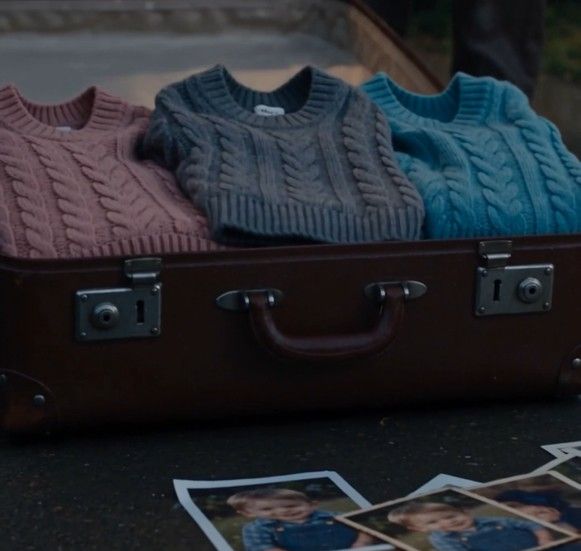
He brought them. I called my neighbor, Helen, and asked if I could spend the night. I did not want to sleep behind the door they had locked against me, even if a page had made them open it again.
Martin drove me two streets over. Helen had already put blankets in her dryer. She met me at the door with a towel and did not ask why I had not called sooner. The smell of warm cotton nearly made me cry.
Only after I was dry did she ask whether I wanted a doctor. My hands were still clumsy, and my teeth would not stop chattering. She called an urgent advice line, followed its instructions, and drove me for an assessment when they recommended it.
I had no serious injury. I was chilled, bruised in one arm, and more tired than I knew how to say. The clinician asked what had happened at home. I gave the facts, including the locked door, without softening Daniel’s part.
For years, I had made my son sound kinder in every story I told. That night, the effort failed. I could not describe the rain honestly and leave him sheltered from it.
Back at Helen’s, Martin had placed the wet photographs on towels. He had collected my suitcase while Daniel stood in the hall. Some images were ruined. Daniel at six had survived, though one corner had curled.
I took it between my fingers. In the picture, he wore red boots two sizes too large and stood beneath this same porch light. I had bought them used because he wanted to look like the children whose fathers picked them up from school.
“You do not need to decide everything tonight,” Martin said.
“They decided for me.”
“They acted. That does not mean you have lost your choices.”
I slept a few hours in Helen’s spare room. In the morning, Daniel had sent nine messages. The first said he was sorry. The next said Vanessa had been stressed. The last asked whether Martin had told me I could put them out.
I answered only one thing: I was safe, and I would speak through a lawyer about the house. Then I put the phone facedown beside Helen’s toast.
The lawyer I met that afternoon, Ms. Grant, reviewed the deed, mortgage papers, and tax records. There had been no transfer. I owned the house. Daniel and Vanessa’s six years there could still give them occupancy rights that required a lawful process.
“Ownership does not let anyone bypass the rules,” she said. “Including you.”
I felt relief rather than disappointment. I did not want to become the person who threw another coat into the rain. I wanted my home back, and I wanted a safe path to it.
She helped me document what had happened and advised me about a report and retrieving my belongings. I chose to make a report. The officer listened, asked questions, and recorded my account. There was no instant arrest or dramatic order.
I returned with Helen at an agreed time to collect medicines and clothes. Daniel had repacked the suitcase. He offered coffee as though a cup could take us back to yesterday afternoon before the bolt slid shut.
“I am not staying,” I said.
Vanessa stood by the stairs. “This is getting ridiculous.”
I looked at her. “Then stop speaking.”
The quiet after that was startling. I had spent years believing I needed better words. Sometimes I only needed to finish the words I already had.
In my room, the sewing machine cupboard was open. Vanessa had cleared a shelf for the plans she said required my space. I saw paint samples and a folder for a home office. No emergency had forced me into the rain.
They had wanted a bigger room. That plain fact hurt in a way a grand secret might not have. My safety had been traded for convenience, and my son had called the trade necessary.
Ms. Grant sent a letter confirming ownership and setting out a proposal for their departure. She included enough time for a move and offered a written agreement instead of immediate litigation. I would remain with Helen while terms were settled.
Daniel called her office in anger. Later he called me, quieter. “We cannot find a place in a week.”
“You are not being given a week.”
“We have made improvements.”
“Send the receipts to my lawyer.”
“Are you really going to do this to us?”
I closed my eyes. I could still feel cold paper in my hand beside the curb. “I am choosing to live safely in the house I own.”
He said nothing for a while. Then he asked if we could meet alone. I agreed at Helen’s kitchen table with her in the next room. I needed to hear him, but I did not need to hear him without support.
He arrived carrying the photograph in a small frame. It was meant as a peace offering. I put it aside so we could not hide behind the child he used to be.
“Why did you close the door?” I asked.
He looked down. “I thought you would go to Helen.”
“Without my phone?”
“I did not think about that.”
“You did not think about where I would sleep either.”
His mouth moved, then closed. At last he said, “I wanted the argument to stop.”
I waited. The answer was not enough, but it was finally his. He spoke of Vanessa’s complaints, the house feeling crowded, and his belief that I would always forgive what happened in anger.
“I thought you knew I did not mean it.”
