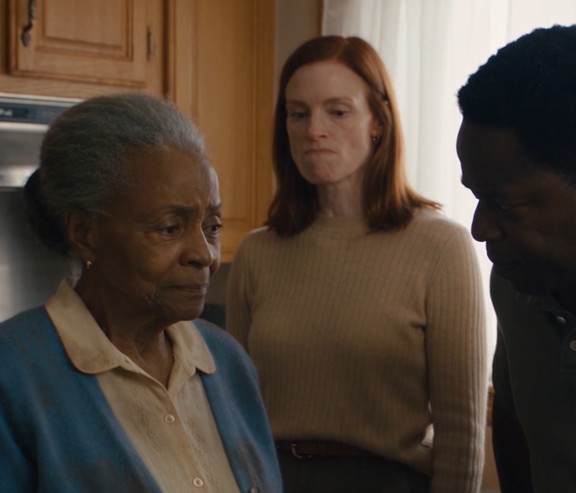
“To you?”
“To me.”
Margaret raised an eyebrow.
“Interesting.”
“She’s working up to you.”
“She can keep working.”
Daniel nodded.
A geriatric specialist evaluated Margaret two weeks later.
Her memory testing was not perfect.
Neither was it alarming.
She had mild age-related changes.
The doctor recommended a medication review, better sleep, handrails on the stairs, and someone double-checking important bills.
The burned saucepan likely had more to do with distraction than dementia.
Margaret listened carefully.
Daniel did too.
When the doctor asked what Margaret wanted, she said, “To stay in my house.”
The doctor said, “Then let’s make that safer.”
No nursing home.
No dramatic declaration of independence.
Just practical changes.
Daniel installed a rail beside the back steps.
Claire created automatic payments for utilities, but only after Margaret sat beside her and approved each one.
Margaret bought a kettle that shut itself off.
She hated it.
Then loved it.
The case records arrived in March.
Not all of them.
Enough.
Claire brought the envelope to Margaret’s house unopened.
Daniel came too.
The three sat at the kitchen table.
The blue plate was on the shelf above the sink now.
Claire had asked Margaret to keep it there.
Margaret opened the records slowly.
Most were copies of forms.
Placement notes.
Visit summaries.
Medical appointments.
School reports.
Then they found Edith’s name.
