He rubbed one thumb against the other.
“I knew you’d help with rent.”
“Yes.”
“I also knew you’d say no if I told you what it was for.”
I looked through the window at a woman struggling to close an umbrella.
“So you understood the difference.”
“Yes.”
That was the first answer that helped.
He did not hide behind confusion or generosity or his wife.
“I’m seeing a counselor,” he said. “I keep agreeing to things and then finding someone else to carry them.”
“What did you think I could carry?”
He swallowed.
“Anything.”
My tea had gone cold.
“I’m your mother, Julian. I get tired. I worry about money. I sometimes say I’m fine because I don’t want the whole visit to become about my knees or a bill.”
“I know.”
“You’re learning.”
He nodded, accepting the correction.
I told him about the roof repair I had postponed after lending him the money. Nothing dangerous, nothing dramatic. Just a leak around a vent that needed attention before it became expensive.
He stared at the table.
“You should have told me.”
“I should not have needed a competing emergency to deserve the truth.”
His eyes filled.
This time, I did not reach for a napkin on his behalf.
We stayed another twenty minutes. When we left, he asked whether he could hug me.
I said yes.
It was awkward. His cheek brushed my hair, and for a second I felt the little boy who used to lean against me while waiting for the school bus.
Then we stepped apart as adults.
Brooke came in April, after asking in advance.
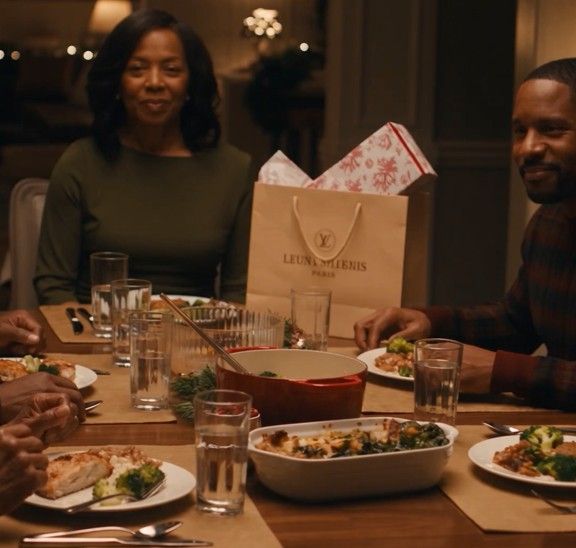
She brought no flowers, no gift bag, nothing that could turn the visit into a performance of being forgiven.
We sat at the kitchen table.
“I knew the money came from you,” she said. “I knew what Julian told you.”
I waited.
“I wanted my mother to feel that I’d made it. I wanted her to open something nobody expected.”
Her eyes moved toward the dining room.
“And I used your kindness to pay for that feeling.”
The words were plain enough that I believed she had struggled to find them.
“Why the card?” I asked.
She looked down.
“I thought you’d be grateful we came.”
