The first video was the day my glasses disappeared. I watched myself search the living room while Lisa laughed from somewhere behind the camera. Mark entered near the end and said I was getting forgetful.
I had remembered that afternoon as an inconvenience. From the other side of the lens, I could see how deliberately they had made it look like something else.
A message followed. Mark told Lisa that isolated incidents would not convince anyone; they needed a pattern. Another said the birthday should look natural and that Tyler could start things without making it obvious.
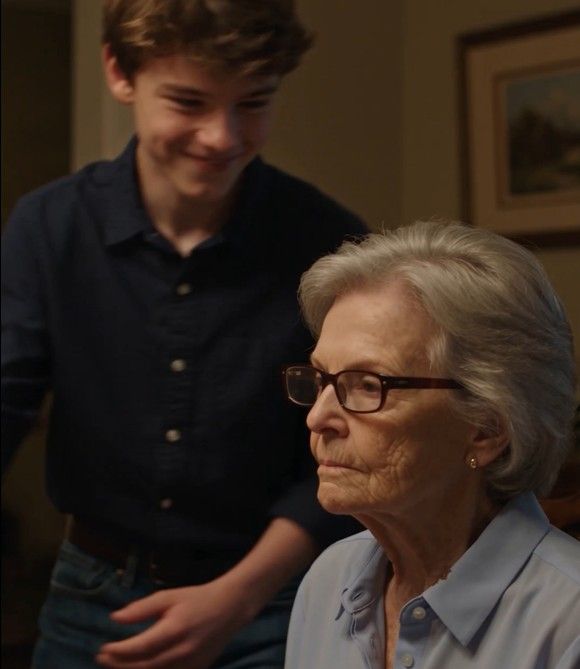
My grandson stared at the carpet. “Dad said I was helping.”
“Helping with what?”
“He said you’d be happier somewhere with people your age. That you were too proud to admit it.”
I looked at the familiar room around us. George’s books stood beside mine. The curtains needed replacing, and a drawer stuck when it rained. None of those things meant I had stopped belonging in the home I had lived in.
The recording contained no magical confession spelling out an entire crime. It was uglier in its ordinary language. Mark discussed getting me upset on video, Lisa worried about whether a doctor would believe them, and both mentioned access to funds that might solve their problems.
They did not have a completed order, a medical diagnosis, or the authority to take over my life. They had a plan to create a misleading story and hoped other people would act on it.
“What happened tonight wasn’t supposed to be that hard,” Tyler said.
“You pushed a cake into my face.”
“I know. Dad said just to embarrass you. I got carried away.”
I touched my glasses, still slightly crooked on the desk. The distinction mattered to him because he wanted it to reduce the harm. To me, it showed how easily cruelty grew when an adult encouraged it and called it useful.
I saved notes identifying what Tyler said each file was, then closed the laptop. “We need help with this.”
He looked toward the door. “Will Dad know I told you?”
“Eventually, yes. I will not leave you to face that alone.”
That was the promise I could make. I could not promise there would be no consequences, no questions, or no difficult conversations.
I called my sister from the hallway and asked her to come. She arrived in a coat thrown over her nightclothes, carrying her phone and nothing else. I let her into my room and explained enough for her to understand why Tyler should not simply return upstairs without support.
She asked whether anyone had threatened him. Tyler said Mark had told him not to embarrass the family by talking about private matters. Nobody had struck him, but he was afraid of what would happen when they learned about the drive.
We considered immediate safety before anything else. I did not want an argument in the hallway with a frightened teenager standing between adults. My sister helped me contact appropriate local support and describe the situation accurately, including the child’s involvement and fears.
The advice was practical: do not stage a confrontation that night, preserve what we had, and arrange a safe plan involving responsible adults and the relevant services if risks increased. Tyler remained near us while those arrangements were discussed.
When Mark knocked on my door, my sister answered from the hall. She said I was resting and that we would talk in the morning. He asked where Tyler was. We told him his son was safe with family and that a calm conversation would happen with support present.
He was angry, but he did not force the door. I stayed beside Tyler until his breathing settled. It was almost dawn before I lay down.
My demand that they leave by morning had come from pain, not a workable housing process. The next day I corrected the deadline without correcting the boundary. They would leave, but I would obtain advice and use a lawful plan rather than create another scene that could be filmed and misrepresented.
I made an appointment with a lawyer and contacted my doctor about the birthday incident and the earlier fall. I requested copies of relevant records and explained the pattern plainly. My sister accompanied me, but she did not answer questions on my behalf.
The doctor examined the discomfort around my face and reviewed concerns after the impact. We also discussed how anxiety and grief could affect sleep without erasing my ability to make decisions. I did not need a certificate of perfection to deserve control over my home.
The lawyer reviewed ownership, occupancy, account access, and any documents Mark or Lisa might already possess. Nothing I had signed authorized them to manage my affairs. We checked rather than relying on my frightened memory at the desk.
My financial institutions reviewed permissions and helped secure accounts where necessary. Important documents went somewhere safer. My passwords changed, and I learned how to review access instead of handing the task to someone who called me confused for asking questions.
The files were preserved in their original form as far as possible, with separate copies for review. Their authenticity and relevance would need assessment. My lawyer warned me against making public allegations based on clips without the surrounding context.
I did not want a public audience. I wanted the truth to be useful.
Mark and Lisa attended a meeting several days later. My lawyer led the discussion about moving out and preserving relevant material. My sister waited with Tyler elsewhere so he would not be used as a witness in a family argument.
Mark began by saying I had frightened his son with threats of homelessness.
“I spoke in anger,” I answered. “I corrected the deadline. The decision that you will no longer live here remains.”
“You can’t punish us for one bad joke.”
“It wasn’t one.”
Lisa’s hand tightened around her bag when the lawyer mentioned the recordings and messages. Mark looked at her, then at me. For the first time, neither had a ready explanation.
“We were worried about you,” he said finally.
“Then why hide my glasses?”
He stared at the table.
“Why encourage Tyler? Why record only the parts where I looked upset? Why discuss taking control of my money?”
