“She needs consequences,” he told Mateo. “Not a performance of revenge.”
Brittany stayed.
Months later, she became the person who started a pay-what-you-can hour on Tuesday mornings.
Samuel noticed.
He did not praise her publicly.
He simply began coming on Tuesdays.
The biggest change was ownership.
Samuel refused to put another relative in charge.
With Lena’s help, he reorganized his share into an employee trust. Workers who stayed and met tenure requirements earned voting rights over time. No single manager could sell the salon, borrow against the building, or change the profit distribution without independent review.
Mateo was elected operating manager by the staff.
He protested that he only wanted to cut hair.
The staff elected him anyway.
The old name returned in small letters beneath the modern sign.
EVELYN ROSE — EST. 1987.
Samuel refused anything larger.
“She hated giant signs,” he said.
The green chair was restored and placed near the back where it had once stood.
No velvet rope.
No museum plaque.
It was used.
Children sat in it. Brides sat in it. A construction worker once fell asleep in it during a beard trim.
That made Samuel happiest.
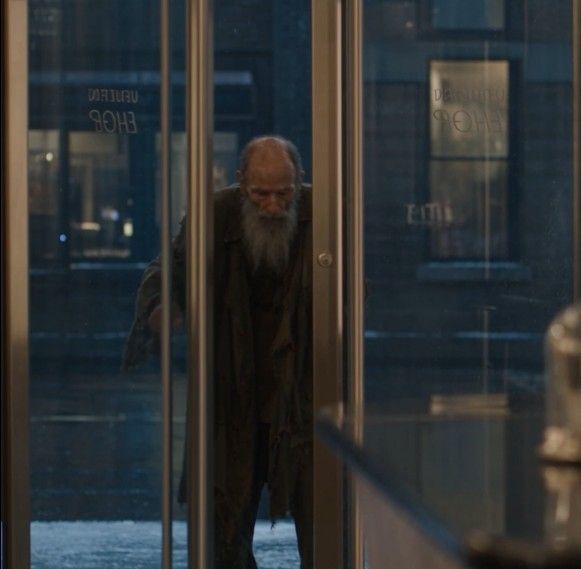
One year after he first walked through the glass doors, Samuel came in wearing a clean secondhand coat and shoes Mateo had helped him find at a neighborhood shop. He still carried the same dollar.
Mateo pointed at it.
“You know prices have gone up.”
Samuel smiled.
“Terrible business model.”
He sat in Evelyn’s chair.
Brittany brought him coffee without asking whether he could pay for it.
A new receptionist was helping an elderly woman at the counter who was counting coins from a small purse.
