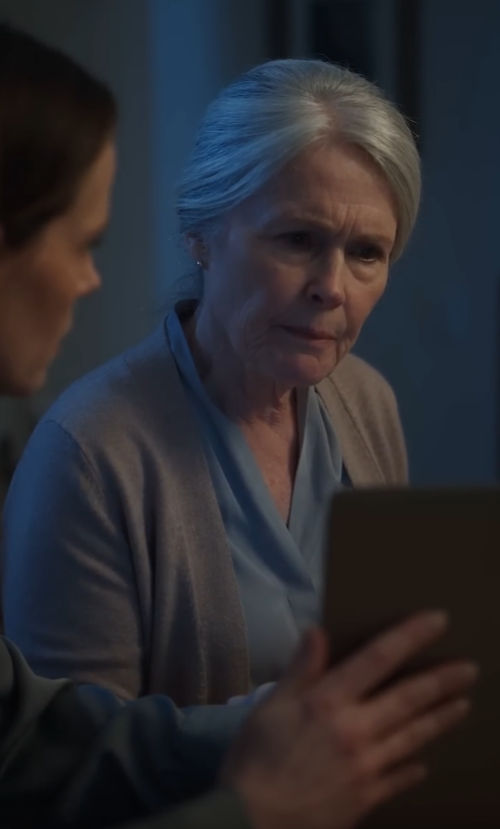
A local carpenter volunteered to repair the garden gate after hearing what they were doing. A retired teacher donated books for the study. Ruth helped them establish clear procedures so that anyone staying in the house would be protected and supported by the appropriate services.
The work gave Eleanor a new reason to get up early.
She had spent months feeling that the world was shrinking around her, that her age and her vulnerability had made her a problem other people needed to manage. Now she found herself choosing paint colors, organizing linens, and debating with Claire about whether the upstairs room needed another bookshelf.
She still had difficult days. Some mornings, a letter from the bank or an unexpected phone call brought the fear rushing back. Occasionally, she woke from dreams in which Daniel stood in the hallway, telling her that everything belonged to him.
On those mornings, Claire made tea and sat beside her until the fear subsided.
They learned not to confuse healing with the absence of pain.
Healing meant Eleanor could speak about what Daniel had done without feeling that she had betrayed him by telling the truth. It meant Claire could remember the years she had spent away without believing that every moment of distance had been her fault. It meant both women could acknowledge the love they had once felt for Daniel while refusing to let that love become a reason to abandon themselves again.
One autumn afternoon, a young woman named Melissa arrived at Open Door House through a local support organization. She carried a small suitcase and kept apologizing for taking up space.
Eleanor showed her the spare bedroom.
“You don’t have to apologize for being here,” she said.
Melissa looked at the clean bed, the curtains, and the small vase of yellow flowers beside the window.
“I won’t be long.”
“You don’t have to decide that today.”
The young woman began crying so suddenly that Eleanor did not know what to say. She simply opened her arms, and Melissa stepped forward.
Claire watched from the doorway, recognizing the kind of relief that sometimes arrives only when someone stops asking you to prove that you deserve help.
That evening, the three of them ate soup at the kitchen table. Melissa spoke little, but she accepted a second piece of bread and laughed when Eleanor insisted that the recipe was better the next day.
After dinner, Claire found her mother in the garden, standing beside the roses Henry had planted.
“You were wonderful with her,” Claire said.
Eleanor brushed a fallen leaf from her sleeve.
“I know what it feels like to be frightened in your own home.”
Claire slipped her hand into her mother’s.
For a while, they stood without speaking, listening to the rustle of the trees and the distant sound of a car moving along the road.
Then Eleanor looked up at the house.
“Do you remember the porch light?”
Claire frowned.
“What about it?”
“It used to stay on all night when you were little. Your father said it wasted electricity, but I always turned it back on.”
“I remember.”
“Even after you moved away, I kept it on.”
Claire turned toward her.
