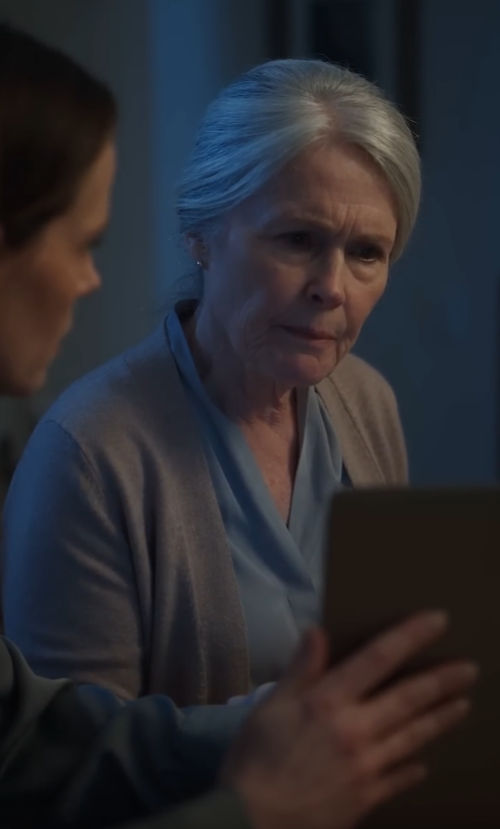
In the weeks that followed, Claire helped her mother sort the study. They found the old notebook of architectural drawings, its pages crowded with pencil sketches and handwritten ideas. There were houses with open courtyards, wide doorways, benches beneath windows, and small rooms where someone could sit without being questioned.
One drawing showed a large kitchen table surrounded by mismatched chairs.
On the back, in Claire’s teenage handwriting, were the words: A place where nobody has to ask whether they are allowed to stay.
Claire stared at the sentence for a long time.
Then she began to cry.
Eleanor wrapped her arms around her.
“You were always thinking about other people,” she said.
Claire shook her head.
“I was thinking about myself, too. I wanted somewhere I could go when I didn’t know where I belonged.”
Her mother held her more tightly.
“You belonged here.”
“I know that now.”
Eleanor kissed the side of her head.
“I wish I had told you better.”
They did not turn Henry’s letter into a grand plan immediately. Eleanor was still recovering from the financial damage, and Claire had responsibilities of her own. They first repaired the broken boiler, replaced the roof tiles that had been left unfinished, and secured the windows. They brought the house back to a condition in which it could be enjoyed rather than merely maintained.
Then, over several months, they began talking about what might come next.
A friend of Ruth’s worked with families facing financial exploitation and housing insecurity. She mentioned how often people in crisis needed a safe room for a few nights, a quiet place to meet with an advocate, or somewhere to keep their belongings while they made decisions about their future.
Eleanor listened carefully.
Claire looked toward the study, where Henry’s letter sat inside a frame on the desk.
The idea began modestly. They would make the spare bedroom available to someone who needed temporary shelter. They would offer the dining room for private meetings with support workers and allow trusted community organizations to use the study. They would not attempt to become a shelter overnight or take on responsibilities they could not safely manage.
Instead, they would work with established professionals and provide what they had: a home with a locked door, a warm kitchen, and people willing to listen without demanding an explanation first.
They called the project Open Door House.
The name was Eleanor’s suggestion.
Claire smiled when she heard it.
“Dad would have liked that.”
“He would have pretended it was too sentimental,” Eleanor replied, “and then he would have built a sign for the front gate.”
They both laughed.
It was the first time they had laughed together about Henry in years without the laughter immediately turning into tears.
The house changed slowly.
The spare bedroom received clean bedding and curtains that let in the morning sun. Claire repaired the old desk and placed a small lamp beside it. Eleanor filled the kitchen cupboards with tea, coffee, soup, and the biscuits she had always kept for unexpected visitors.
