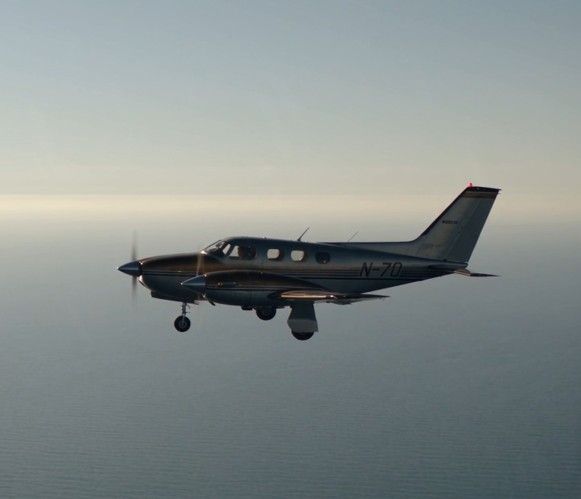
“Yes.”
“And I saw two armed fighters threatening to shoot me out of airspace I had no reason to know was closed.”
“Yes.”
There was no villain in that sentence.
That made the mistake more frightening.
The pilots had done what their orders required. I had flown the route cleared to me. The systems between us had failed.
I sat again.
“Are they in trouble?”
“The pilots?”
“Yes.”
“Not for the intercept.”
Relief arrived before I could stop it.
The lead pilot had sounded aggressive because he believed I was seconds from becoming a threat to thousands of people. Once my secure identity authenticated, he changed posture immediately.
That was restraint under pressure.
I knew what it cost.
The harder decision came near midnight.
A legal adviser and two senior officials joined the room. They gave me a choice without pretending it was simple.
They could contain the incident entirely within classified channels. My civilian identity would remain protected. The operational access issue would be corrected. The airspace deconfliction failure would be reviewed internally.
Or I could give a formal statement broad enough to enter the safety process that connected military and civilian aviation. Doing that would create more records. More people would learn that the Cessna pilot had unusual protected status, even if Echo Actual remained compartmented.
Five years earlier, I would have chosen disappearance without hesitation.
That night I thought about the Raptor less than fifty feet from my wingtip.
I thought about the weapon-bay doors opening.
I thought about another civilian pilot on the same route who would not have a hidden panel beneath the seat.
“I’ll give the statement.”
The gray-haired man studied me.
“You understand the exposure risk?”
“Yes.”
“You built a good life.”
“Then help me keep it without pretending this didn’t happen.”
That became the compromise.
