“For what it’s worth, once Strike Command authenticated you, nobody in our flight knew what to call you.”
“Sarah works.”
He nodded.
“Sarah, then. I’m glad you answered.”
So was I.
Months later, I removed the concealed panel from the Cessna.
Not because anyone ordered me to.
Because I no longer needed the physical object to prove Echo Actual had existed.
The contingency identity remained sealed. The emergency record remained where it belonged. My civilian life did not become less real because another life had come first.
I kept one thing from the panel.
The small green indicator lens.
It sat in a drawer beside my old flight logs.
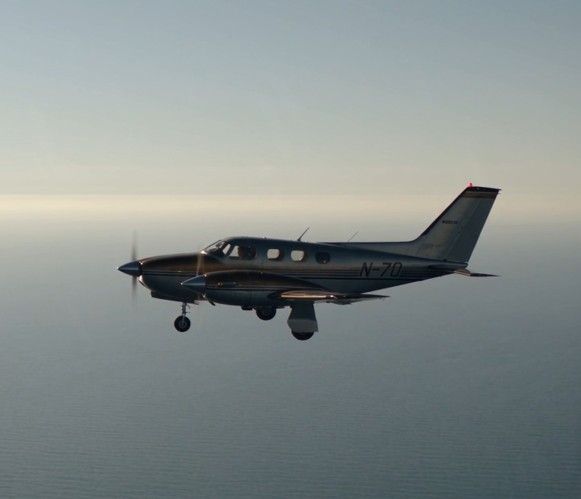
The next time I flew the Atlantic route, the weather was clear again. My flight plan was filed. The temporary military areas appeared exactly where they were supposed to appear in the briefing. Civilian control gave me a minor reroute well before I reached the coast.
Nothing intercepted me.
Nobody threatened me.
It was gloriously boring.
I poured coffee from my thermos and watched sunlight move across the instrument panel.
For years I had believed peace required separating Sarah from the woman everyone thought died in Afghanistan.
Now I understood that survival had never demanded erasure.
It had demanded boundaries.
Below me, the Atlantic stretched blue and ordinary to the horizon.
I rested one hand on the yoke and listened to the calm civilian voices in my headset.
No secure channel.
No call sign.
No silence waiting to decide whether a dead woman was allowed to speak.
Just my own name on the flight plan, my own aircraft beneath me, and an open sky that finally felt large enough to hold every version of the person who had made it home.
