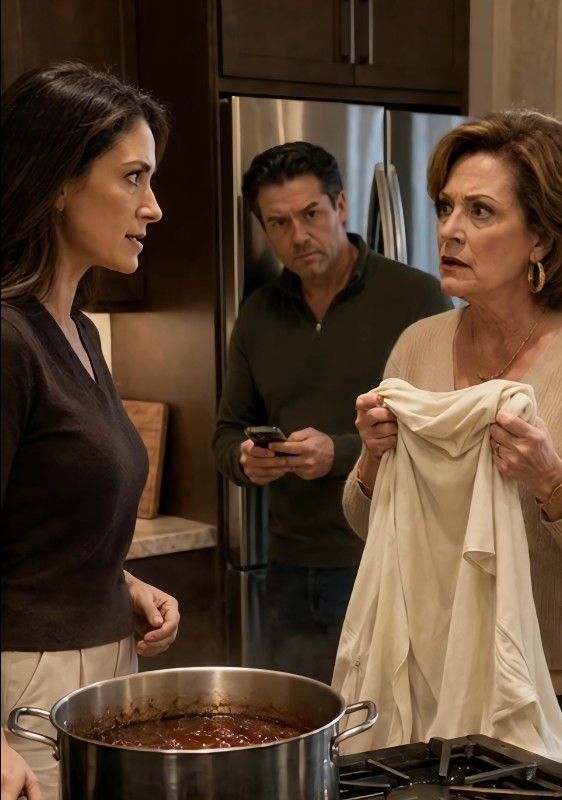
Peace returned in increments. A full night’s sleep. A meal eaten while it was still warm. A key turned in a lock without anxiety about who might be on the other side. A holiday planned around joy instead of obligation. Cora noticed these things because crisis had once made them invisible. In Cora and Douglas’s home, the rooms slowly collected new memories that did not erase the old ones but outnumbered them. The people who belonged there asked before rearranging anything. They brought food without bringing demands. They stayed because they wanted company, not because they expected service. When difficult anniversaries came, Cora did not pretend they were ordinary days. There were tears, sometimes anger, sometimes the strange grief of missing people who were still alive but no longer safe to keep close. The grief was allowed. It did not reopen the door. Cora deleted the recording only after the case was resolved and the accounts were secure, then placed her phone face down on a kitchen table that finally felt like shared space rather than contested territory. In that final image, there was no applause and no audience. Only warmth, a familiar room, and the quiet certainty that nobody present needed to earn the right to feel safe.
Part 2: The Transfers Behind the Locked Door