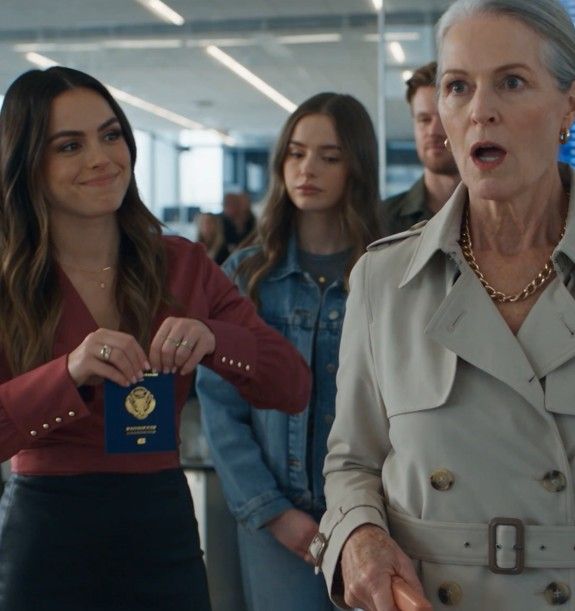
Vanessa ripped my passport down the middle at Chicago O’Hare and dropped the pieces into a trash can beside my coral suitcase.
“You’re not going to Hawaii, Maggie. You’re staying home to watch my cats.”
My stepdaughter smiled as though she had solved a practical problem. Derek, her husband, patted my shoulder.
“You’d slow us down anyway.”
I looked at Emily. My daughter stared at the floor. Around us, departure announcements continued, luggage wheels rattled, and strangers pretended not to notice a sixty-four-year-old woman being dismissed by the family she had brought to the airport.
“Mom,” Emily said, “maybe it’s easier this way.”
Seven years after Richard’s death, I had become the quiet source of money behind our blended family. I helped Vanessa and Derek buy their home, paid for Emily’s wedding, covered school tuition and repairs, and rescued business ideas that never seemed to survive Derek’s enthusiasm.
This trip was supposed to be my retirement present to myself. Five first-class tickets, a private Maui villa, transfers, snorkeling, sunset dinners, and a family luau. I had saved, used reward points, and planned for months because I wanted one beautiful memory with my grandchildren.
Now Vanessa was explaining wet food and litter boxes.
“I texted you the schedule.”
Derek glanced at the Rolex I had helped him purchase. “We’re going to miss check-in.”
They walked toward the counter. The grandchildren followed, still talking excitedly about the ocean, too caught up in the trip to understand why I wasn’t beside them. Vanessa carried the boarding passes in her designer tote.
I stood still until their backs disappeared behind another family.
Then I retrieved the torn passport with a tissue and put both pieces in my planner. Whatever happened next, I wanted a record of what she had done. I still had my driver’s license. Hawaii was a domestic destination; destroying my passport had not actually barred me from the flight.
But boarding beside them would mean pretending the cruelty hadn’t happened.
For thirty years, I had worked as a senior corporate accountant for a Fortune 500 company. I knew the difference between access and ownership. Every booking was in my account, and every payment came from me.
At customer service, I opened the planner to the confirmation numbers.
“I need to cancel our family reservation.”
The agent confirmed the five tickets, then helped me contact the travel desk handling the villa and activities. I asked for the actual terms, including penalties and credits. I was ready to pay the cost of saying no.
Across the terminal, an airline employee scanned Vanessa’s first pass. She frowned at the screen. Derek stopped laughing.
Emily turned toward customer service. Vanessa followed her gaze, saw me beside my suitcase, and reached for her phone.
Mine began ringing. I answered and heard my stepdaughter draw a sharp breath.
“Maggie. What have you done?”
“I canceled the trip,” I said.
The silence on the line lasted just long enough for me to hear a departure announcement above Vanessa’s head. Then she said the airline must have made a mistake, as if refusing the facts might restore her boarding pass.
“No mistake,” I answered. “Come away from the counter. The children don’t need to hear us argue there.”
“You can’t do this.”
“I can decide not to finance a trip I’m being excluded from.”
She ended the call. I placed my phone inside my bag and asked the agent to print the cancellation information. Her name was Anita. She handed me the receipts with the patient expression of someone who had watched many families reach a counter carrying more than luggage.
She explained that the airline credits and refunded taxes would follow the rules of each fare and payment method. The villa and activities required separate confirmation. The travel desk had recorded my cancellation requests, but not every refund would be immediate or complete.
That suited me. I wasn’t seeking a miraculous reversal of every expense. I was ending a set of arrangements I no longer consented to fund. The distinction helped me speak without exaggeration, even while my chest hurt.
Anita also said airport officers could take a report about the passport if I wanted. I looked down at the two pieces, visible through the planner’s clear pocket. I had used that passport on my last trip with Richard. The destruction was not an effective way to keep me from Hawaii, but it had been an effective way to show what Vanessa thought she could do.
“Yes,” I said. “I’d like that documented.”
Vanessa arrived before the officers. Derek followed, pulling a suitcase too fast, and Emily trailed behind with the children. I asked Emily to take them to the seats beside the window. There was a vending machine there and room to sit without adults towering over them.
“We were going snorkeling,” my younger grandchild said.
“I know, sweetheart. The grown-ups need to sort something out.”
I didn’t say their parents had ruined everything. The children had not ripped the passport or agreed that I should stay home. They deserved an explanation appropriate to what they could understand, not a role as witnesses in a case against the adults they loved.
Vanessa dropped her tote on the counter. “Reactivate the tickets.”
Anita said the booking had been canceled and any new travel would require an available itinerary. She did not look at me for instructions until Vanessa turned and said I would pay for it.
“No,” I said.
