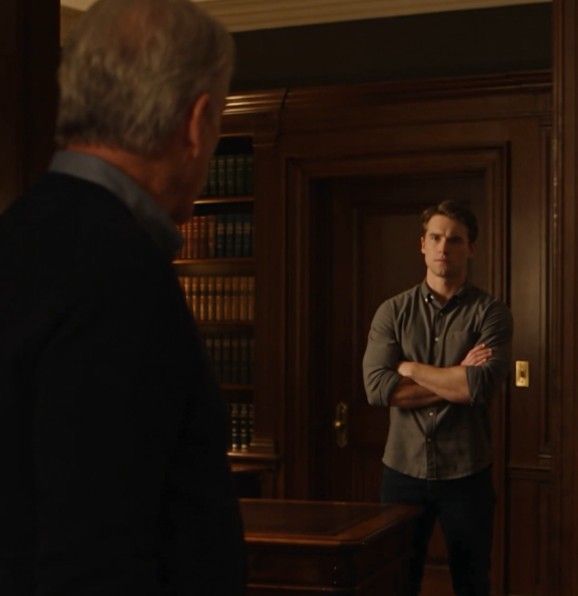
They watched the footage together once. She asked Robert to stop it before the shove. She had seen enough.
With her consent, they documented the incident and sought professional advice about her options and safety. Michael was informed that contact would happen only under conditions she chose. Some relatives objected. Others quietly admitted they had seen flashes of his temper before and had dismissed them.
Michael’s first apologies were full of explanations. Robert rejected none of them on his wife’s behalf; he simply refused to carry them to her. Months passed before Michael sent a letter that contained no request for immediate forgiveness. He named what he had done, acknowledged that his mother had protected him, and wrote that he was getting help because being angry did not entitle him to put his hands on anyone.
His mother read the letter twice. She did not invite him home. Not yet.
That boundary became part of the healing rather than an obstacle to it. Robert learned that reconciliation could not be demanded on a family timetable. Michael learned that remorse did not purchase access.
Nearly a year later, his mother agreed to meet him in a quiet public place. Robert drove her but waited outside. When she returned, her eyes were wet.
“Was it all right?” he asked.
She nodded. “It was honest.”
At home, Robert put the remote back in the study drawer. The footage still existed, safely preserved, but the remote no longer felt like a weapon or a secret. It had done what truth sometimes had to do: stop a family from calling harm an accident.
