That same weekend, I finally invited my coworker Mara over. I had canceled twice, too embarrassed to describe what had happened after she posted our promotion photograph. She brought pastries and stood at my windows, admiring the view without calculating what it could buy someone else.
When I told her about the visit, she looked stricken.
“I shouldn’t have posted that picture.”
“You asked. I said yes.”
“I didn’t know they would—”
“Neither did I. It wasn’t the picture.”
Saying that helped. I had begun to feel that doing well was something I should conceal, that happiness became dangerous the moment it was visible. Mara sat at my kitchen island while I described working my first Minnesota winter with a coat too thin for the wind. She remembered that coat. She also remembered the weekend we both spent repairing a release instead of attending a friend’s birthday.
“You bought somewhere to live,” she said. “You didn’t submit an application to be the family’s emergency fund.”
I laughed, then cried hard enough that she passed me the box of tissues without comment. When she left, I put the promotion photograph back on the shelf. I had turned it facedown after my parents’ visit. Hiding it hadn’t made the demand more reasonable; it had only made my apartment look as though I was ashamed of being there.
The next workday, I gave a presentation from the spare room. A hospital client asked questions about a deployment schedule, and for an hour I was simply the person qualified to answer them. Afterward, I stayed at my desk and made a list of all the uses that small room served: work, guests, privacy, choices. Then I tore the list up. I didn’t need to rehearse a defense of every square foot before I could be allowed to keep it.
Then Mom sent a photograph of Dad at the kitchen table, surrounded by bills. The message beneath it read: This is what your refusal looks like.
I called Dad directly.
“Are you in financial trouble?”
He was embarrassed. They had used savings to help Paige and had been considering another loan. Mom had wanted to show me the strain. I asked whether he had spoken to anyone about their own finances.
“We can manage,” he said.
“Please don’t borrow because you think I’ll change my mind later.”
“Your mother thought—”
“I’m telling you directly. I won’t.”
He was quiet for a long time. Then he said he would not sign the new loan application that afternoon.
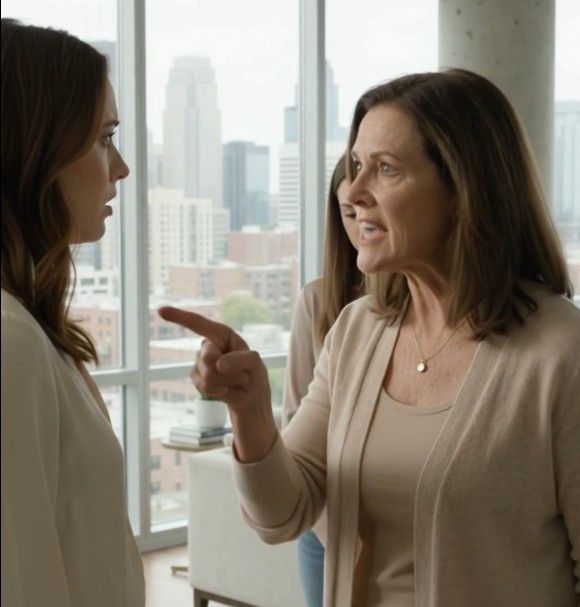
The call with Mom that followed was worse than the visit. She said I had turned Dad against her, then accused me of watching Paige struggle to teach her a lesson. I sat at my desk, looking at the framed photograph from my promotion celebration, the one my coworker had posted.
That photograph had begun all this. My family had seen proof I was doing well and mistaken it for an invitation to distribute what I owned.
“I want Paige to get through this,” I said. “I don’t need to be made homeless to prove it.”
“You wouldn’t be homeless. You could rent.”
“So could anyone selling a home. Why should mine be the first one considered?”
She said that wasn’t fair. I asked why it was fair to me. She ended the call.
I canceled my next planned trip to Ohio. I explained I wasn’t ready to sit through another weekend of the same argument. Mom called that punishment. I called it needing a visit in which my housing wasn’t up for negotiation.
Paige surprised me by continuing the calls. She arranged an inventory sale with help from a former vendor, accepted that the proceeds would be a fraction of retail value, and used them according to the plan she developed with professional advice. She moved into a smaller rental with a roommate. Returning to ordinary work embarrassed her more than losing the boutique had.
“What do I tell people?” she asked.
“That you’re working.”
“They’ll think I failed.”
