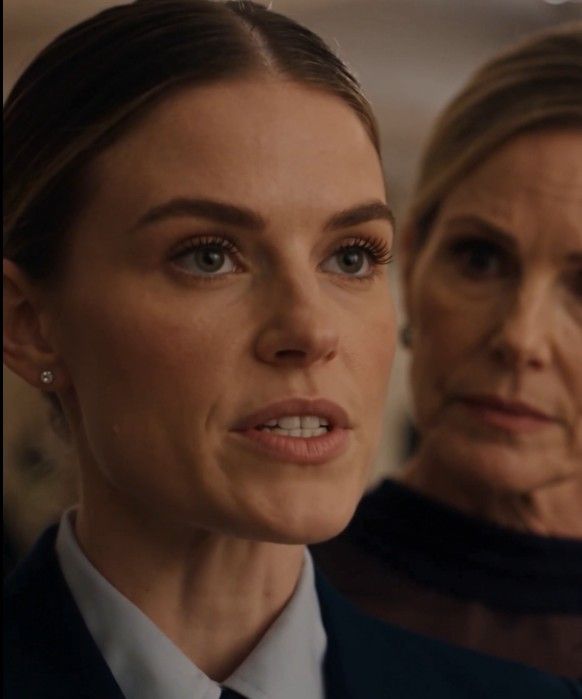
I did not want the foundation.
I wanted my sister.
Before repair could become routine, the four of us had to survive one more uncomfortable public moment. The foundation’s newsletter had already been scheduled to publish photographs from the gala. The communications team sent Mia a draft featuring the image of General Hale saluting me, along with a proposed headline about a “Parker Family Military Legacy.”
Mia forwarded it to me before approving anything.
What do you want me to do? she wrote.
A year earlier, she would have assumed the photograph belonged to the foundation because it happened at the foundation’s event. I noticed the difference.
Do not publish it, I replied. The presentation was Army business, not family branding.
Ten minutes later, she answered: Done.
No argument. No disappointment disguised as practicality.
The newsletter ran a photograph of veterans and caregivers instead. My name appeared only in a short thank-you list because I had attended.
Dad hated that decision at first.
“People are asking who the general saluted,” he said. “It would help the foundation.”
I looked at him.
“That is exactly the logic that put me in the back until my rank became useful.”
He went quiet.
Mia surprised me by answering for herself. “She said no, Dad. That is the end.”
The sentence cost her. I could see it. She had built years of habits around translating Dad’s preferences into family decisions. This time, she did not.
A month later, she invited me to sit in on one foundation grant review—not as an honoree, not as a military symbol, but because the committee wanted practical feedback on whether its emergency-assistance process was too complicated for families dealing with deployment. I agreed to one meeting.
The work was boring in the best possible way. Forms. Timelines. Missing documentation. Questions about how to speed small grants without removing accountability. No cameras came into the room.
At the end, Mia said, “I think this is the first time I have worked with you instead of displaying you or ignoring you.”
“That may be true.”
“Was I terrible?”
“Yes.”
She laughed, then covered her face. “I deserved that.”
The committee adopted two changes that reduced unnecessary paperwork. I declined an ongoing role. Mia did not pressure me.
That was another kind of repair: learning that respect could include letting me leave.
Repair took months.
Dad started asking about my work with one new phrase: “What are you allowed to tell me?”
Sometimes the answer was almost nothing.
He learned to accept that.
