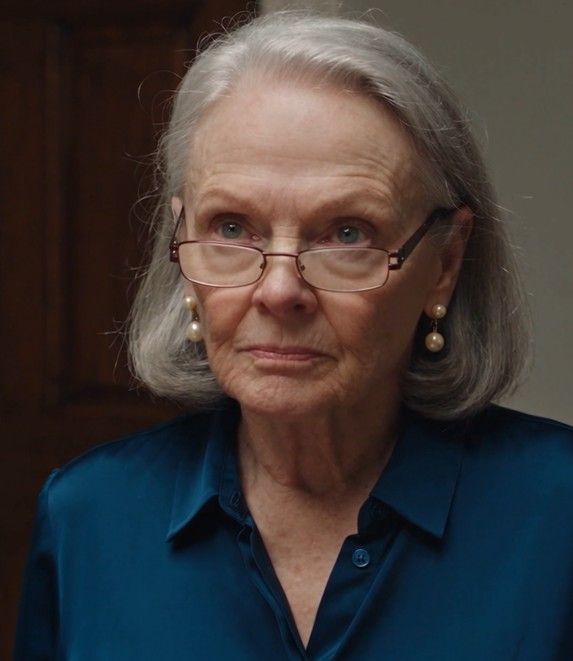
“I did not abandon her,” I whispered.
The room stayed quiet.
I understood anyway.
I also changed the way I celebrated birthdays. For decades, I had treated large gatherings as proof that family remained intact after Lucy died. The more people around the table, the safer I felt from the old fear of losing everyone. After my seventieth, I understood that a crowded room could still be lonely if no one was willing to stand up when something was wrong.
So the next year, I invited only people with whom I could be fully myself. We ate in the kitchen instead of the formal dining room. There were no speeches. My sister lit a single candle in a slice of lemon cake, and when everyone sang, I cried because the sound was gentle rather than impressive.
I had spent years giving Valerie expensive things because I wanted abundance to protect her from the emptiness Lucy left behind. It could not. Money filled tuition accounts, closets, houses, and companies. It never filled grief.
The best thing I could finally give both of us was a relationship in which grief no longer excused harm.
Whitmore changed too.
I did not remain CEO forever just to prove Valerie wrong. That would have made my leadership another reaction to her. Over the next eighteen months, the board completed a genuine succession process.
Candidates were evaluated. Responsibilities were transferred gradually. I chose to move into an executive-chair role before eventually retiring from daily management.
The person who became CEO was not family.
That was intentional.
Valerie remained connected only through whatever legitimate ownership interests and rights her existing arrangements gave her. She did not regain a shortcut into leadership.
If she ever wanted a future role, it would require the same qualifications, experience, and board approval as anyone else.
That consequence was permanent.
My death would not automatically make her CEO.
My life would not be treated as a waiting room for her ambition.
Fourteen months after my birthday, Valerie asked through the required channel whether I would meet her for one hour.
I agreed to a public garden near the river.
She arrived early.
There were no designer clothes, no assistant, no Richard, no speech prepared for an audience. She looked tired and older than thirty-eight.
For several minutes, we walked without speaking.
Then she said, “I thought if you stepped aside, I would finally feel like I mattered.”
I waited.
“I hated that everyone compared me to you. I hated that the agency started with your money. I hated the house was tied to your trust. I hated walking into Whitmore and knowing people saw your granddaughter before they saw me.”
“That does not explain wishing me dead.”
“No.”
She stopped walking.
“I said it because part of me had started treating your death like the moment my real life would begin.”
The honesty was almost unbearable.
