Camille ate half and abandoned the rest.
I did not flinch.
Rosalyn finished hers, then looked at Camille’s plate.
For one second, the old vigilance returned.
Then she looked at the fruit bowl.
She reached for a banana instead.
I watched her peel it slowly.
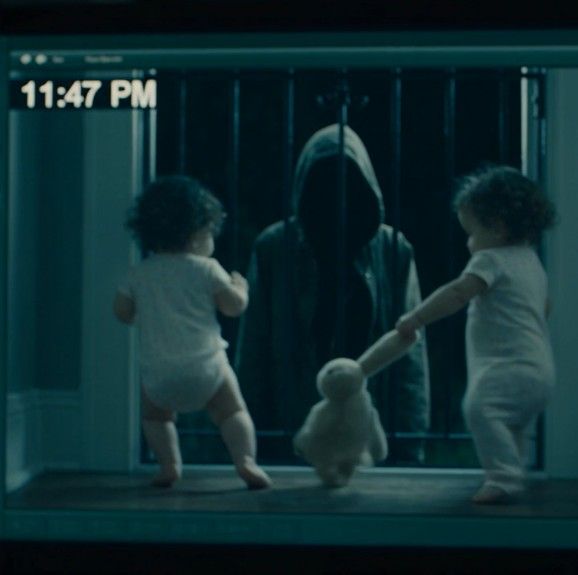
The first time I saw a stranger feed my daughters through iron bars, I believed I was witnessing a breach in the safest house I could build.
I had been wrong.
The breach was not the woman outside.
It was the system inside that taught two little girls to hide hunger from their father.
Now there were still gates around the estate.
There were still cameras.
There was still money enough to buy every expensive ingredient Hilda once photographed.
But the safest thing in my house was simpler than any of that.
A bowl of fruit sat in the middle of the kitchen where my daughters could reach it without asking.
A year later, I still received weekly household reports, but they looked different. The food section no longer contained staged photographs. It contained simple notes: Rosalyn liked oatmeal Tuesday. Camille refused peas Wednesday. Both asked for apples after lunch. Ordinary facts, not evidence prepared for a man too distant to see his own children eat.
Sometimes I read the reports after breakfast and smiled because I already knew what they said.
That was the point.
Security remained part of our lives, but information no longer had to climb a ladder before it reached me. My daughters learned they could interrupt a meeting for a scraped knee, a nightmare, or because one of them wanted another banana. The interruptions cost my companies nothing that mattered.
The estate never became careless.
It became less afraid.
And in the years that followed, I learned that protection was not the art of building a world where nothing could enter. It was building a home where the people inside could tell you when something was wrong—and know you would hear them.
Always.
