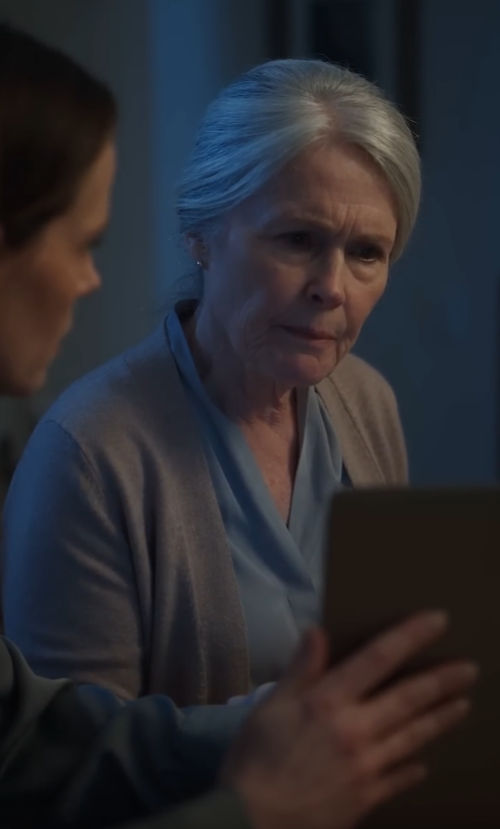
“About the money? Six months. About the house? Three.”
Claire pushed her chair back. It scraped sharply across the floor.
“Three months? You’ve been sitting on this for three months?”
“I was trying to understand what he had done. I was frightened, Claire.”
“Frightened of Daniel?”
Eleanor flinched at the disbelief in her daughter’s voice.
“Yes.”
The answer seemed to strike Claire harder than any denial could have.
Her mother lowered her eyes to the table. “He used to be the boy who came running home because a dog had a thorn in its paw. He used to sit beside your father for hours, watching him repair things. When he first started helping me with the accounts, I thought I was fortunate. I thought I still had a child who wanted to look after me.”
Her fingers folded together in her lap.
“Then the explanations became more complicated. Money disappeared, and he told me I had forgotten paying the bills. A bank statement arrived, and he said it was an outdated copy. When I questioned him, he reminded me that I had been grieving your father for years, that loneliness could make an old woman suspicious of the people who loved her.”
Claire’s eyes filled.
“And you believed him?”
“Sometimes.”
Eleanor looked directly at her daughter.
“That is the part I have the hardest time forgiving myself for.”
Claire turned back toward the laptop. A folder remained open beside the recording. Inside it were copies of bank statements, scanned documents, emails, and photographs of pages from a notebook.
The numbers told a worse story than she had expected.
Small transfers had begun shortly after Daniel offered to manage Eleanor’s finances. At first, they were modest amounts labeled for household repairs, insurance, and maintenance. Later came larger transfers to a company called Northbridge Property Holdings, an entity Claire had never heard of.
The total was more than two hundred thousand dollars.
There were also withdrawals from a savings account established by their father, Henry, years before his death.
Claire covered her mouth.
“That money was for your retirement.”
“Yes.”
“He took all of this?”
“Not all of it. He was careful to leave enough behind that I could still pay my ordinary bills. That way, I wouldn’t immediately realize how much was missing.”
Claire scrolled through another statement. Some of the transfers had been made on days when Eleanor had been attending medical appointments. Others had been made while Claire’s mother was away visiting a friend, with Daniel claiming that he needed access to her accounts to prevent late payments.
The pattern was unmistakable.
Then Claire saw an email dated four months earlier.
Daniel had written to an associate asking whether a property transfer could be completed before a particular business loan came due. The associate had warned him that the property belonged to Eleanor alone and that the proposed transfer required her informed consent.
