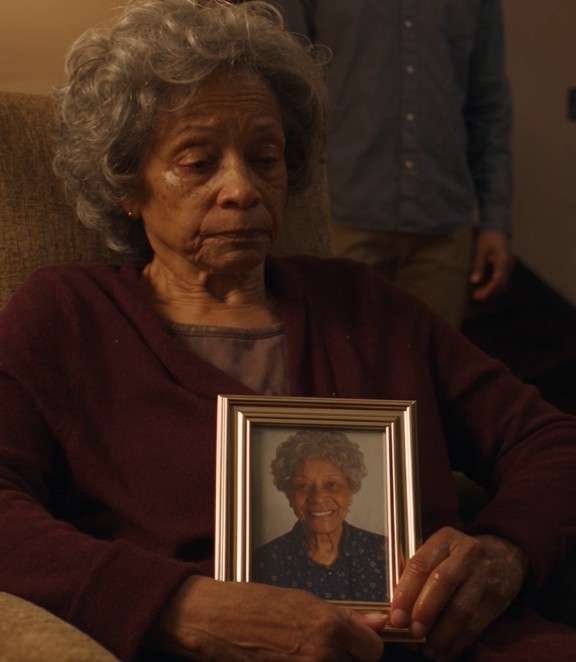
Betty had not planned to say it. She had kept the information private because the house was not a trophy. It was the one thing she had been able to leave herself after Frank died. Every payment had been made with money from long shifts at the hospital laundry, from sewing hems for neighbors, from cleaning offices before sunrise. The final check had been written in Frank’s name because she wanted the debt to disappear with the life they had built together.
Susan’s mouth parted.
Harold looked at Jake. “You told me the mortgage was outstanding.”
Jake lowered his head.
“I told you what Susan told me,” he said.
Harold let out a disbelieving laugh. It contained no humor. “You signed legal documents based on something she told you?”
“I thought she had checked.”
“You thought?”
Martha’s purse slipped from her hands and struck the floor. A lipstick rolled beneath the sideboard.
Susan’s eyes flashed toward her mother. “Don’t start.”
Martha did not bend to retrieve it. “You told us the house needed repairs before the sale.”
“It does.”
“You said Betty was moving into assisted living.”
“I said she should.”
“You told us she had dementia.”
Betty felt something inside her go cold.
Jake looked up. “What?”
Susan’s cheeks reddened. “She forgets things.”
“I forget where I put my glasses,” Betty said. “I do not forget my name, my house, or the way my son has been standing in front of me.”
Jake recoiled as if she had struck him.
Susan moved toward Betty. “You always make everything sound worse than it is.”
Betty did not step back. The photograph rested against her heart.
“No,” she said. “You make everything sound smaller than it is.”
Outside, a car passed on the wet street, its headlights sliding across the front windows. In that brief white glare, the room appeared frozen: Harold beside the table, Martha staring at the floor, Jake holding the deed, Susan between them all like a door nobody had yet learned how to close.
Then someone knocked.
Susan’s head snapped toward the entrance.
The knock came again, firm and measured.
Jake looked confused. Harold did not. His face had become rigid.
“Who did you call?” Susan asked.
“No one,” Betty said.
The door opened before anyone reached it. A woman in a dark coat stepped inside, carrying a leather folder. She was in her fifties, with silver hair cut close to her jaw and rain shining on her shoulders.
“Mrs. Walsh,” she said.
Betty knew her. “Marian.”
Marian Bell had been Frank’s attorney before his death. She had handled Betty’s will, the deed, and every tax question Betty had ever been too tired to understand. She closed the door behind her and looked around the room.
“I’m sorry I’m late,” Marian said. “The storm flooded the lower road.”
Susan stared at her. “What are you doing here?”
Marian removed her coat. “Mrs. Walsh called me this afternoon.”
Betty had called after Susan tried to take the bedroom key from her ring. She had not told Marian everything. She had only said she needed someone who knew the history of the house.
Marian set the folder on the table. “She asked me to bring the original property records.”
Susan went pale again.
