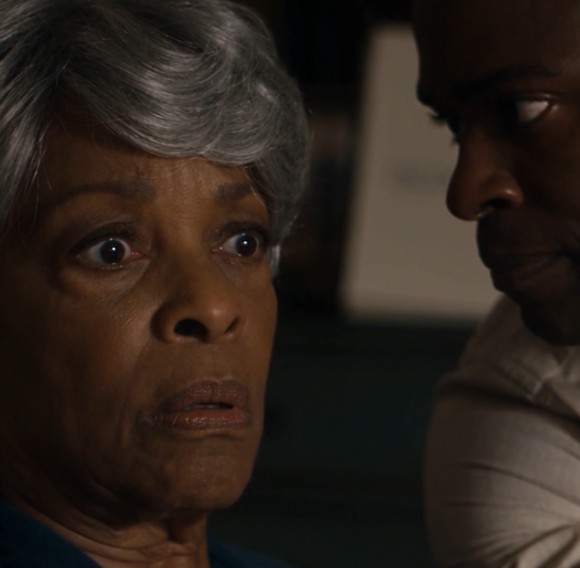
“I failed to tell my son enough about this company,” she said.
A murmur moved around the circle.
Mrs. Price frowned. “That is not your crime.”
“No. But secrecy gave him room to believe the company belonged to me alone.”
“It belongs to the trust,” said a young woman named Nia.
“It does,” Sarah said. “But ownership hidden from the people who are meant to carry it becomes another kind of power.”
She placed the ledger on the table.
“I want to step down as managing director.”
The room went still.
Mrs. Price’s hand struck the tabletop. “Absolutely not.”
“I am not abandoning the company.”
“You are tired.”
“I am tired of making every decision as if no one else can carry it.”
Nia leaned forward. “Who would replace you?”
Sarah looked around the room.
“An elected council. Three members at a time, rotating every two years. The managing director will answer to the council. The books will be open to every worker. The trust documents will be taught during orientation.”
Mrs. Price’s expression softened, but her voice remained firm. “And you?”
“I will serve as adviser for one year.”
“One year,” Mrs. Price repeated.
“Then I will retire.”
Several women protested at once. Sarah smiled despite herself.
“I have earned the right to leave the office,” she said. “I have not earned the right to decide that the rest of you cannot continue without me.”
The vote lasted two hours.
When it ended, the new structure passed by twenty-eight votes to three.
Mrs. Price stood last. She walked to Sarah, took the ledger, and held it against her chest.
“You always did make trouble before breakfast,” she said.
Sarah laughed. It came out unexpectedly, rising through the grief like a bird startled from a tree.
Michael was not allowed near company finances during the investigation. He resigned from every position he held and turned over his records. He cooperated with prosecutors, identified Calvin’s accounts, and accepted responsibility for the forged documents.
Jessica faced separate charges. She had not created the scheme, but she had knowingly participated in it. She lost her apartment when the court froze her accounts. For several weeks, she stayed with an aunt who refused to let her explain the situation in a way that made her the victim.
Sarah did not visit her.
Then, one rainy afternoon, Jessica came to the house.
She stood on the porch without knocking. Her hair was soaked, and she held a paper bag against her chest. Sarah watched her through the window for a long time before opening the door.
Jessica stepped back.
“I brought your things.”
She held out the bag.
Inside were Sarah’s blue scarf, a silver hairbrush, a small bottle of hand lotion, and the photograph of Sarah and her husband that had been kept on Michael’s dresser.
Sarah took the bag.
“Why was this in his room?”
Jessica looked toward the staircase. “He kept it there.”
“Why?”
