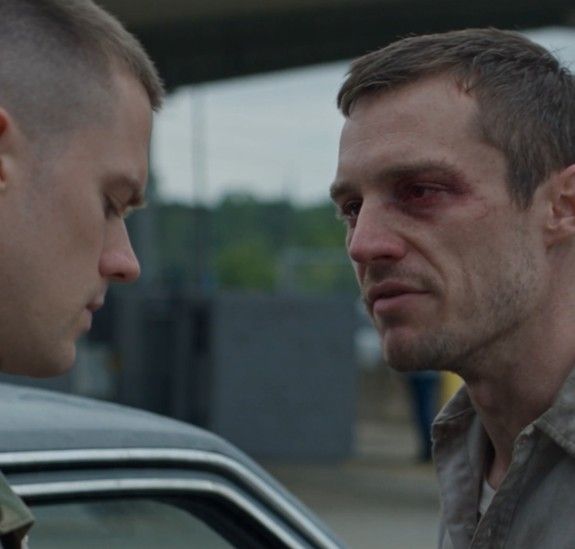
The impulse came from guilt, not generosity. He understood that as soon as Nathan named it.
“Okay. What would actually help?”
Nathan stared at him.
No one had asked that in a way that did not already contain the answer.
“The electric bill at the house is due while we sort probate stuff,” he said finally. “And I need you to call the insurance office because I’ve called them six times and if I hear that hold music again I might commit a felony.”
Aaron smiled.
“That I can do.”
They divided tasks.
It was embarrassingly ordinary. Forms. Calls. Donation pickups. Returning medical equipment. Canceling a magazine subscription their mother had forgotten she had.
For Nathan, that ordinariness mattered more than an apology speech.
Aaron stayed until the last morning of leave.
At dawn, he packed his uniform and civilian clothes. Nathan drove him back to the gate.
This time the sewing tin sat between them in the cup holder.
“We’re not opening the coins until we choose where we’re going,” Nathan said.
“You made that rule up.”
“I’m older.”
“By four years, not by constitutional authority.”
Nathan smiled.
At the gate, Aaron lifted his bag.
Neither mentioned the sentence Nathan had shouted the first time: don’t call me your brother.
Aaron did not need him to take it back. They had both heard what lived beneath it.
“Call me Sunday,” Nathan said.
“I will.”
“Not if you’re busy.”
Aaron looked at him.
Nathan corrected himself. “Actually, yes. If you’re busy, text me and tell me when you can call. Don’t disappear.”
“Deal.”
They shook hands, then abandoned the handshake and hugged badly.
The first Sunday call lasted twelve minutes.
The next lasted forty.
