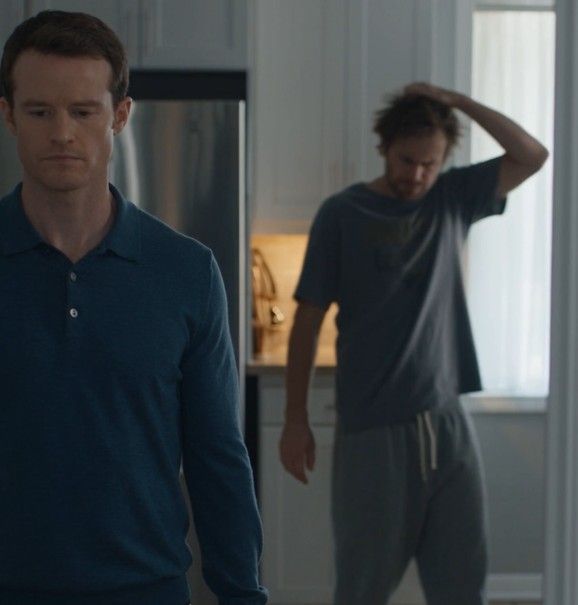
“Where’s breakfast?”
My brother wandered into the kitchen in sweatpants, scratching the side of his head.
I set my suitcase beside the front door.
“There isn’t any.”
He stared at me as if I had suddenly begun speaking a language he couldn’t understand.
My mother came downstairs seconds later.
The moment she saw the suitcase, her expression tightened.
“What is that?”
I handed her a printed sheet.
Every account I managed. Every upcoming payment. Every service that was about to lose its billing information.
“I’m moving out this morning,” I said. “Anything that’s under my name is coming with me.”
My brother grabbed the page.
His expression changed at once.
“You can’t shut off the internet.”
I lifted my suitcase.
“I’m not shutting down your life. I’m simply not paying for it anymore.”
Then my mother stepped directly in front of the door.
“You’re not leaving until you make breakfast.”
That was the moment I understood.
She still didn’t believe me.
Two nights earlier, she had looked at me from across the table and said from that day onward, I would cook dinner for the whole family every night, clean everything afterward, and eat whatever was left after everyone else had finished.
I didn’t argue.
My brother actually laughed.
He was thirty-four, unemployed for the third time that year, and living in the house while claiming he was “between opportunities.”
His wife worked part-time and often complained about how tired she was.
I worked remotely full-time and paid nearly every household bill because my mother said paperwork made her anxious.
“You already live here,” she told me. “You may as well make yourself useful.”
I nearly reminded her that I paid for the electricity, internet, insurance, streaming subscriptions, grocery deliveries, lawn care, and half the mortgage.
Instead, I gave a slight nod.
Something inside me had become strangely quiet and steady.
