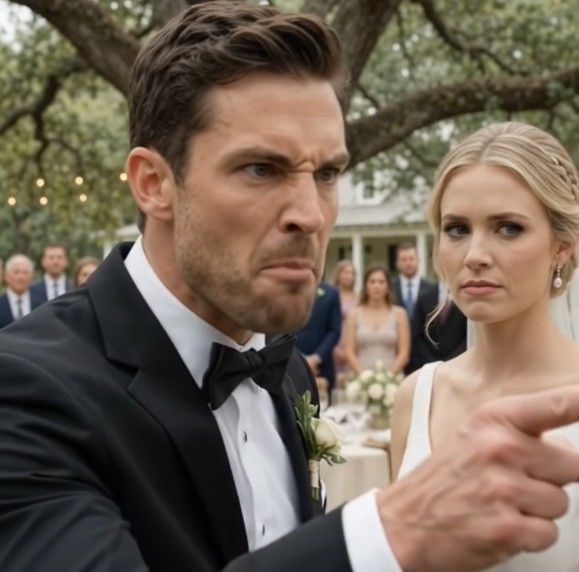
“Absolutely not.”
He turned his screen toward me. A local lender had requested confirmation of a document bearing my name. It claimed I had authorized Ethan to secure a loan using a portion of the ranch as collateral for a future event venue. The signature looked like mine from a distance, but it was missing the loop I always made in the first letter of my surname.
The date was the previous Thursday. I had spent that day at a dress fitting with Ruth, my cousin. I had not visited a bank, met a notary, or signed anything.
“Is this legal?” I whispered.
“If the signature isn’t yours, it is not a valid authorization merely because someone says it is. We need to verify the notarial details and notify the lender immediately.”
My phone began vibrating. Ethan, then Olivia, then an unknown number. Daniel asked me not to confront anyone with unverified accusations. He prepared a written dispute, requested a hold on processing, and arranged an independent review of the documents.
On the drive home I passed the old schoolhouse my grandfather had helped build. My father used to say that land was not the same as money in a bank. Money could be counted and spent. Land carried lives in its soil. I used to think he was being poetic. That day I began to understand that he had been warning me about people who saw history as an obstacle to profit.
Ethan arrived before sunset. He parked beside the porch and sat in his truck for almost ten minutes. When he finally came inside, he looked as if he hadn’t slept. I placed a copy of the disputed authorization on the kitchen table.
“Did you sign my name?” I asked.
He swallowed. “Olivia handled the paperwork.”
“Did you tell her she could?”
“We thought you would agree once you saw the plan.”
“You thought I would agree to borrow against the ranch after you publicly ordered me out of your wedding?”
He dropped into a chair. “I didn’t know she was sending anything to a lender yet.”
“Yet?”
He rubbed his face. “We were going to ask you after the honeymoon.”
“Then why did the papers claim I’d already agreed?”
He had no answer. When I asked what Olivia whispered at the wedding, he stared at the old pine floor for a long time.
“She said you’d told her your dress was meant to upstage her. That you’d said the ranch would always matter more than our marriage.”
“Did you believe that?”
“I didn’t want to.”
“Then why did you send me away?”
“Because she was crying and everyone was watching and I thought the easiest way to stop it was to make you leave.”
I had heard a version of that excuse when he was eleven and blamed another child for a broken window. But a broken window could be repaired with allowance money and an afternoon of work. This had cost something far more fragile.
“You chose a quick peace with her over telling your mother the truth,” I said.
He nodded, and I could see he wanted me to say it was all right. I couldn’t.
Before he left, he said Olivia had already hired an architect and paid a substantial deposit. The money came from a loan he’d taken on their personal credit. She had promised the ranch project would repay it. He hadn’t examined the assumptions because he wanted to believe they were building a future together.
“Then look at the numbers,” I told him. “Before you do anything else.”
The next day, Olivia arrived with two glossy portfolios and a smile that looked carefully practiced. She spoke about weddings under the oak trees, corporate retreats, luxury cabins, and what she called an underused asset. I let her finish.
“How much debt have you assumed in this plan?” I asked.
