“Oh, yes. That’s a nice hotel.”
I looked from Brenda to my son, who had finally appeared in the hallway.
“Mark,” I said, lowering the phone. “Did you invite these people here without asking me?”
He scratched the back of his neck.
“Mom, it’s just a few days.”
“That wasn’t my question.”
“Harper said her parents needed a getaway.”
“And you decided they needed my bedroom?”
His expression tightened.
“Don’t turn this into something ugly.”
That sentence hit harder than I expected.
Because suddenly I was the problem.
Not the people who had entered my home without permission.
Not the woman unpacking toiletries in my bathroom.
Not the son who had given away something that didn’t belong to him.
Me.
I was the difficult one because I had noticed.
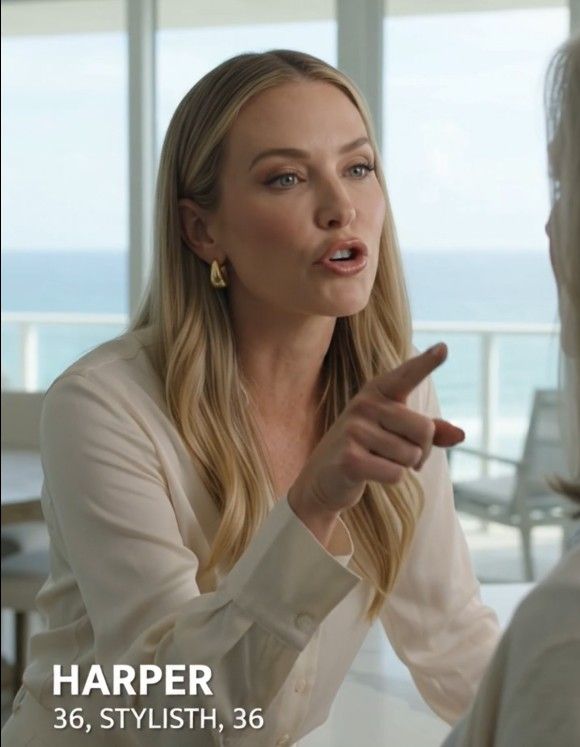
Harper disconnected the phone and walked onto the balcony.
“Look,” she said, lowering her voice. “You’re one person. We have four people here. It makes sense for you to be flexible.”
I looked at her carefully.
She was thirty-five, attractive, impeccably dressed, and accustomed to getting her way through a mixture of charm and pressure.
When she first married Mark, I genuinely liked her.
She could be funny and warm.
She remembered birthdays.
She knew how to make people feel included.
But gradually I noticed that her kindness tended to disappear whenever someone told her no.
When I declined to pay for a kitchen renovation, she didn’t speak to me for three weeks.
When I refused to host Thanksgiving because I had the flu, she accused me of abandoning family traditions.
And when I announced that this year I would spend my beach vacation alone, she replied with a chilly little message.
“Must be nice to have that kind of freedom.”
