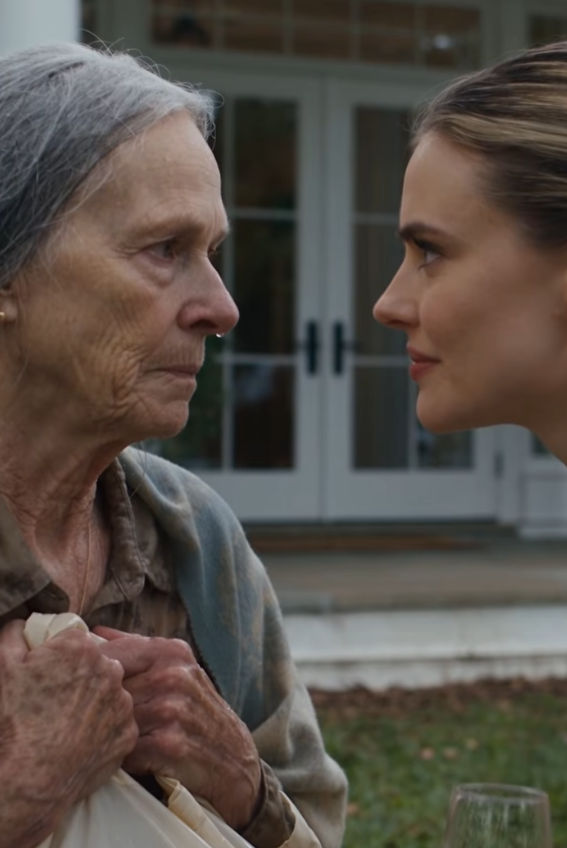
She said she loved the one she had.
He offered to hire someone to maintain the garden.
She handed him a pair of gardening gloves.
“If you want to help,” she said, “the weeds aren’t going to pull themselves.”
Noah laughed.
Then he knelt beside her in the soil.
For the first time in decades, they worked together without anyone watching.
He learned which flowers she loved.
He learned that she preferred her coffee with a little cinnamon.
He learned that her knees hurt most on rainy mornings.
He learned that she had kept the same kitchen clock for thirty-two years because Samuel had bought it with his first paycheck as a carpenter.
And slowly, Margaret learned about the man her son had become.
Not just his accomplishments.
His fears.
His regrets.
His loneliness.
He told her about the pressure of running a company and the strange emptiness that followed every professional success.
She listened without trying to solve everything.
Sometimes they argued.
Sometimes old wounds reopened.
Once, after he canceled a visit because of a business emergency, Margaret answered his apology with a quiet sentence.
“I’ve heard that before.”
Noah did not defend himself.
The next weekend, he came as promised.
He stayed an extra day.
He helped repair a broken fence and drove her to a medical appointment.
Then he returned again.
And again.
By autumn, their relationship no longer depended on grand promises.
It depended on ordinary things.
