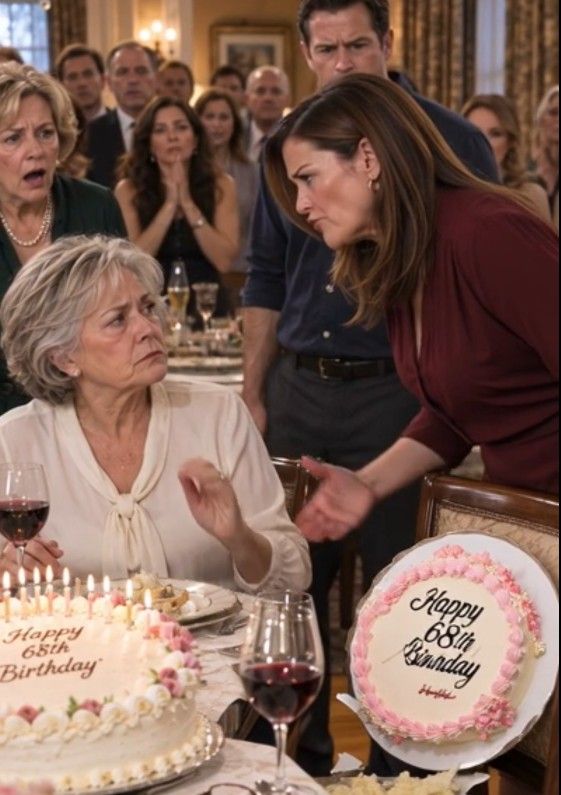
The plate Rachel had smashed lay in pieces beside Margaret’s chair.
Across the dinner table, Rachel demanded, “After everything I’ve done caring for you?”
Seventy-four-year-old Margaret Collins looked at her and answered carefully.
“You don’t cook my daily meals. You don’t drive me to appointments. And you don’t manage my bills.”
Margaret could see pieces of the plate on the floor without looking away from Rachel for long.
The broken crockery made the accusation feel louder, but it did not make it more accurate.
She had heard versions of the caregiving story before.
At dinner, it had become a claim large enough to justify Rachel’s anger at being corrected.
Margaret chose the three points carefully because they were concrete.
Meals, appointments, bills: each referred to ordinary parts of her week that could be described without arguing about who loved her most.
Rachel did not cook those daily meals.
She did not provide the appointment rides.
Margaret handled her own finances.
Stating the facts did not mean she had never received kindness from anyone or never needed assistance.
It meant the account being offered to the table was wrong.
She wanted her relatives to notice the distinction before concern for Rachel’s feelings carried the conversation elsewhere.
At seventy-four, she was still the person best placed to describe much of her own daily routine.
She should not have to surrender that knowledge because someone else spoke about her with greater emotion.
Margaret waited after the correction, leaving enough space for someone to ask a genuine question.
David’s response showed how easily the issue could still become her decision to speak rather than Rachel’s reason for making the claims.
Around them, relatives went quiet.
David looked toward his mother.
“Mom, why would you say that?”
Margaret had just corrected three claims about her own life, yet he was questioning her reason for speaking.
She would not spend the rest of dinner being asked to apologize for accuracy.
“Dinner is over.”
Rachel turned to the family.
“She’s throwing everyone out because she was confronted.”
David added, “Mom, don’t make this worse.”
Ending dinner was not the response the family had expected.
