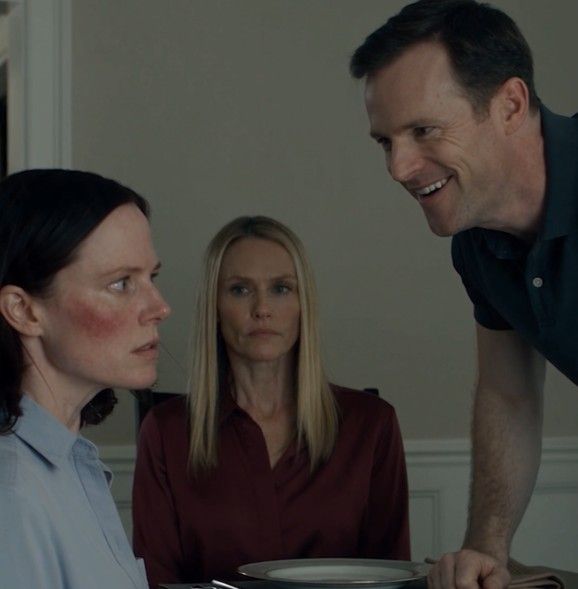
Arthur did not look at me.
On the second drive were scanned checks, emails, and recordings from meetings with Daniel’s former business partners. Robert had known about the failed companies. He had known Daniel had lied about their debts. He had known Daniel had used my name as collateral.
He had not told me because he had been trying to build a legal wall around the property before his illness took away his strength.
In one email, dated two months before his death, Robert wrote to Arthur:
If I am gone, Eleanor must be given time to grieve before the family begins asking what is hers. Daniel will come first with charm. Then urgency. Then anger. She must understand that each stage is a choice.
I read the sentence again.
Each stage is a choice.
The thought followed me into the night.
Marissa knocked on the kitchen door at ten.
She had changed into a plain sweater and jeans. Her hair was pulled back, and her face was bare. She looked exhausted.
“I found the original papers,” she said.
She held out a plastic envelope.
Inside were the transfer documents, the copied signature pages, and a small notebook.
I opened the notebook.
Daniel’s handwriting covered every page.
Amounts.
Dates.
Names.
Several pages described me in phrases that made my stomach contract.
Easily frightened by embarrassment.
Will pay to keep peace.
Believes refusing means failing as a mother.
Marissa looked at the notebook.
“He made me write observations about you.”
“For how long?”
“Since last summer.”
I turned another page.
There were notes about my doctor’s appointments, my prescriptions, the days I visited the market, and the times I spoke to my neighbor. Daniel had been building a picture of me as someone incapable of managing my own life.
One entry read:
If she resists, mention the nursing home.
