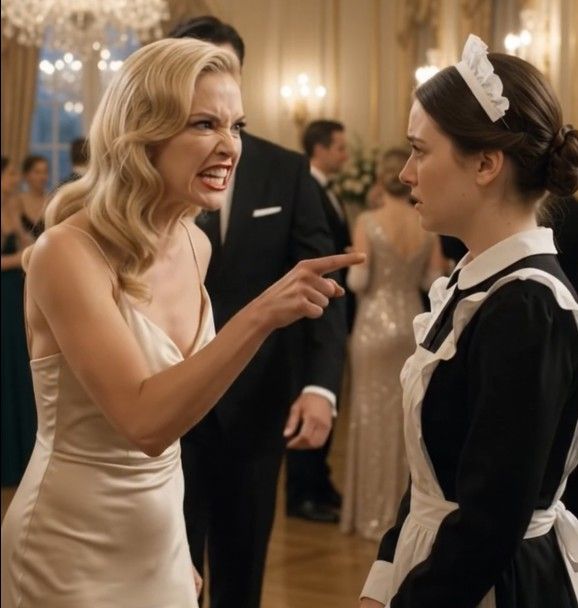
“Then don’t answer tonight.”
The billing call still waited in Elena’s mind. She asked a nurse whom she could speak to about the account and was directed to a patient financial counselor during office hours. She wrote that down too. Earlier, the total had felt like a verdict. Now she needed to learn what it actually required from them.
On Monday morning, Mrs. Bell met Elena at a café away from the mansion. She brought an ordinary envelope containing Elena’s current employment terms, the relevant documents naming her, and contact details for an independent adviser whose initial consultation the household would cover. The offer was in writing and did not require Elena to release any claim.
“Mr. Moretti wanted to meet,” Mrs. Bell said. “I told him you might prefer this.”
Elena appreciated that more than another apology.
She read carefully. There would be no adverse reference. No disciplinary entry had been made. Her paid leave could continue for a few days while she decided whether to return. Staff-file access had been restricted pending a review.
“Can you really promise Vanessa won’t come back?” she asked.
“She will not have access to the house or staff. The engagement has ended.”
Elena set down the papers. “I don’t want everyone looking at me like I broke it.”
Mrs. Bell stirred her coffee. “You didn’t. But I cannot promise no one will say something foolish. I can promise to deal with conduct at work.”
It was an answer Elena could use. She asked for two days to speak with the adviser and arrange her mother’s appointments. Mrs. Bell agreed, then asked whether she wanted anything added to her account of the evening.
“Yes,” Elena said. “I don’t want my music-box repair listed as the reason I deserved help.”
Mrs. Bell looked up.
“I know what he meant. But what if I hadn’t fixed it?”
The house manager put down her spoon. “I’ll tell him.”
The independent adviser explained the difference between documents prepared and statements actually published. Elena had feared that the whole city already believed her dishonest. The evidence did not support that fear. The adviser helped her request confirmation from Harcourt that no allegation had been sent to other employers or posted publicly, and that the unauthorized use of her information would stop.
Harcourt’s first reply was defensive. Its client had supplied the information, it said; the firm had drafted a contingency communication, not conducted an investigation. The adviser asked direct questions about distribution and retention. Elena authorized each letter after reading it. She did not have to understand every legal phrase to know what she was requesting.
At the hospital, a counselor reviewed Rosa’s coverage, corrected a billing issue, and helped them apply for assistance they might qualify for. Nothing vanished by magic. There were still bills and forms, but the amount due immediately was smaller than Elena had understood during the frightening phone call. She arranged a payment plan for what remained and put the dates on a calendar.
When Dante called that afternoon, she answered from a bench outside the hospital.
“Mrs. Bell told me what you said about the music box,” he began. “You’re right.”
Elena waited.
“I was trying to prove Vanessa wrong. You should not have had to be an exceptional employee to be treated properly.”
“Thank you.”
He asked whether there was anything the household could do to support her return. She looked through the glass doors at a volunteer pushing a cart of flowers.
“I need people to stop asking about my mother unless I bring it up. And I don’t want guests discussing that night with me.”
“I’ll speak to Mrs. Bell about a clear instruction.”
“Through her,” Elena added. “I want to work through my manager.”
He paused, then agreed. He did not ask her to reassure him that he was a good man. The omission made it easier to imagine going back.
Wednesday, Elena returned on the morning shift. The cook nodded and handed her a mug. A younger housemaid began to say something about Vanessa, caught Mrs. Bell’s eye, and changed the subject to a broken vacuum attachment. Elena could have kissed her for that small, awkward correction.
The house itself looked almost ordinary. Flowers from the party had been moved to smaller vases. Someone had covered the ballroom piano. Elena cleaned fingerprints from the conservatory doors and stopped beside the planter where Dante had found her. In daylight, it was only a stone pot with a chipped corner.
