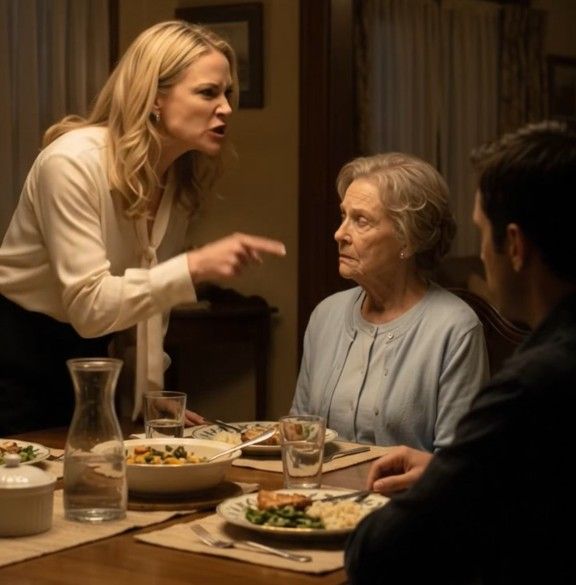
Not because he was wrong.
Because I realized that my son had apparently needed to explain that fact to his own wife.
And I began wondering what, exactly, he’d told her before they moved in.
Gabriella arrived the next morning at nine.
She wore a camel-colored coat and carried a folder thick with comparable sales, photographs, and notes.
I had known her since she was a young agent helping a fellow teacher sell a condominium.
Over the years, she had become a friend.
When James died, Gabriella brought groceries and helped me sort the paperwork related to a small rental property we’d once owned.
She also knew that I had been thinking about moving somewhere easier to maintain.
Last winter, she’d shown me several single-story homes and condominiums.
I hadn’t been ready.
Every time I considered putting our house on the market, I’d imagined James coming downstairs and asking why I wanted to leave.
Gabriella never pushed.
“Think about it,” she’d told me. “You don’t have to decide anything today.”
Now she sat at my kitchen table while Vanessa watched from the doorway.
“You’re moving very quickly,” Gabriella said.
“I know.”
“Are you sure this isn’t just an emotional reaction to yesterday?”
I appreciated the question.
I poured her coffee.
“I’ve wanted fewer stairs for more than a year. The roof needs attention, and I’m tired of maintaining four bedrooms when I use two.”
She nodded.
“And yesterday?”
“Yesterday reminded me that I don’t have to wait until everybody else approves of my decision.”
Gabriella studied me.
“All right. Then let’s discuss what selling would actually involve.”
She explained the listing agreement, likely preparation costs, market conditions, and the time a sale might take.
There were no guarantees.
An attractive listing price didn’t mean someone would pay it.
A buyer might need financing.
