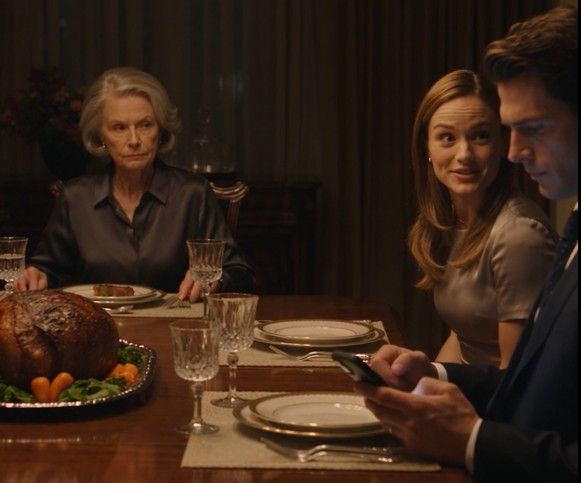
“No.”
His jaw tightened. “Don’t do this because your mother is emotional.”
“I’m not doing anything because of Mom.” She wiped her face. “I’m doing it because Dad wrote that you used his money, and you stood in this house tonight and lied before anyone even accused you of a crime.”
“Sarah—”
“Go.”
He looked at me then. The fear was gone for a moment, replaced by a hatred so direct it almost felt clean.
“You’ve destroyed your own daughter’s marriage.”
I shook my head.
“No, Mark. Whatever happens next, you built it yourself.”
He walked out.
Sarah stayed.
For three nights she slept in her childhood bedroom. She barely ate. She moved through the house like a person recovering from anesthesia, waking into a reality that hurt more each time it sharpened. I did not push her to talk. I made tea. I left clean towels outside her door. I answered when she asked questions and stayed silent when she did not.
On the fourth morning, she came into the kitchen carrying her wedding ring in her palm.
“I keep thinking about all the little things,” she said.
I poured coffee and waited.
“The year Dad died, Mark kept saying his company was under pressure. He told me not to ask questions because he was protecting employees. He said Dad had invested because he believed in him.”
She stared at the ring.
“I wanted that to be true.”
“Wanting to believe your husband is not the same as helping him steal.”
“He used our home network.”
“Yes.”
“What if he used my computer?”
“Then the forensic review will show that too.”
Her eyes filled.
“What if I signed something without understanding it?”
“Then you tell the truth about what you remember.”
Sarah nodded slowly. That became the beginning of her difficult choice. She could protect the marriage she had spent twelve years defending, or she could cooperate fully and accept that every answer might cost her the life she thought she had.
Two days later, she met Detective Ortiz with her own attorney.
She handed over her laptop.
She gave consent for investigators to review archived cloud backups.
