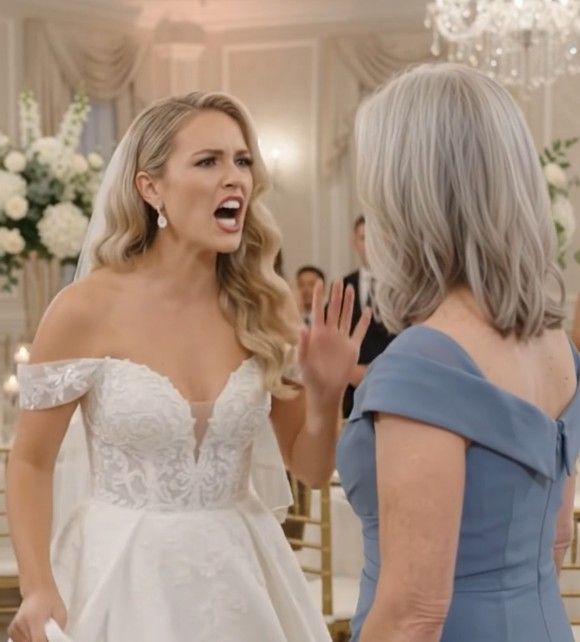
She had never been dramatic.
When our grandfather died, she was the person who organized the family paperwork while everyone else cried.
Now she looked genuinely troubled.
“Ashley contacted me six weeks before your wedding,” she said.
My stomach tightened.
“About what?”
“She wanted to know whether marriage would give her access to your company shares.”
I stared at her.
“What?”
“She said she was trying to understand the family’s financial arrangements before becoming part of it. At first, I thought that was reasonable.”
“And then?”
“She asked whether your shares could be transferred into joint ownership. She wanted to know what would happen to them in a divorce, and whether your wife could receive them automatically if you died.”
I pulled out the chair opposite her desk.
“Did you tell her?”
“I told her I represent Bennett Freight, not her. I couldn’t provide confidential shareholder documents or give her personal legal advice.”
Rachel opened a drawer and removed a thin folder.
“I suggested she consult her own attorney if she had questions about marriage and property rights.”
“Did she?”
“I don’t know. But she contacted me again.”
Rachel placed a printed email on the desk.
The sender was Ashley.
The subject line read:
Bennett Family Ownership — Follow-Up Questions.
I recognized the email address.
It was the one Ashley used for everything from restaurant reservations to our wedding invitations.
I began reading.
She wanted to know whether my mother’s controlling shares would pass directly to me when Diane retired.
Whether the shareholder agreement contained restrictions on transfers to spouses.
Whether the family trust owned company shares.
And whether a spouse could obtain an independent valuation of the company.
