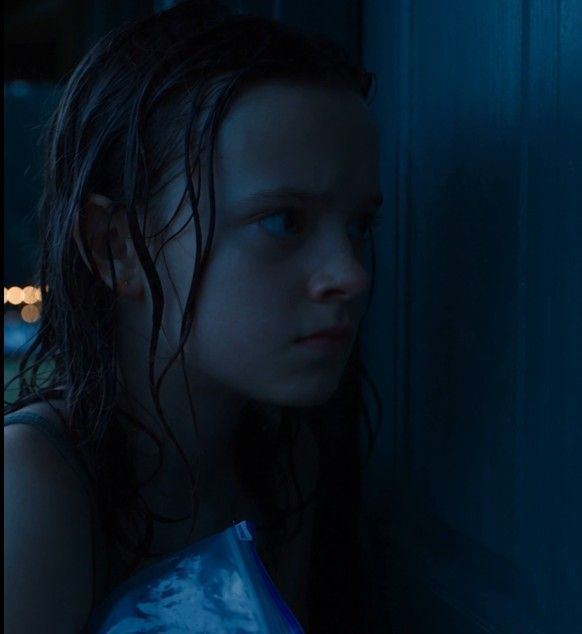
The cabin door would not open. Inside, someone whispered that if thirteen-year-old Nora wanted to sleep with them, she should stop smelling like the lake.
Her towel was still wet around her shoulders. She had fallen from a canoe that afternoon, and her duffel bag had been soaked when another camper pushed it off the dock as a joke.
Now the camp lights were going out one building at a time. Nora stood on the porch in borrowed shorts, holding a plastic bag of damp clothes against her chest.
“It’s not funny anymore,” she said. Laughter moved behind the door, followed by the scrape of furniture being pushed more firmly against it.
She had paid for half the camp fee herself, watering neighbors’ plants and collecting their mail through June. Her mother paid the rest after Nora promised this would help her make friends before starting a new school.
In the first phone call home, Nora said the cabin was great. She described the lake and the food, carefully leaving out the ways the other girls checked her clothes for labels.
The counselor, Leah, found her sitting on the porch steps. When Nora explained, Leah knocked and told the girls to stop being ridiculous.
The door opened at once. Inside, every bunk looked ordinary except Nora’s, which had been stripped to the mattress.
“She’s being dramatic,” said Brynn, the oldest camper. She pointed toward Nora’s bedding, folded on the floor beside a puddle nobody admitted making.
Leah sighed. There were twenty minutes left before her evening break, and she told Nora to use the spare blanket from the supply room and try getting along tomorrow.
Nora carried her things to the empty bunk. The girls stopped talking when she passed, then resumed in whispers just quiet enough that each word felt deliberately withheld.
She waited until Leah left before opening the small notebook her mother had packed. On the first page was a list of phone numbers, with a reminder that calling home was never a failure.
Nora read that sentence for a long time. Then she put on her shoes.
Outside, she met the night groundskeeper near the dining hall. He asked why she was walking alone, and she tried to answer without using any word that would make him take her back immediately.
He brought her to the staffed infirmary instead. The nurse gave her dry socks and let her sit with the telephone beside her while she decided what to say.
Leah arrived ten minutes later, followed by the camp director. She explained that there had been a minor disagreement and Nora had wandered off before anyone could help.
Nora pulled the blanket closer. The story sounded so reasonable in Leah’s voice that she wondered whether her own version would shrink when spoken aloud.
Then another camper appeared at the infirmary door. Mae stood barefoot in pajama trousers, carrying Nora’s pillow, which somebody had hidden in the shower block.
“I told you about the door before dinner,” Mae said to Leah. Her voice shook, but she didn’t look away.
Leah glanced at the director. “You said they were teasing.”
Mae reached inside the pillowcase and withdrew Nora’s missing camp journal. Its cover had been written on, and several pages were folded together with a note pushed between them.
“That’s not all I told you,” Mae said. Nora reached for the journal as the director asked Leah to stay exactly where she was. 👇
Mae held the journal out with both hands.
Nora did not take it immediately.
Across the infirmary, Leah had gone completely still.
The camp director looked at the folded pages and the note pushed between them.
“What else did you tell her?” he asked.
Mae swallowed.
“That Brynn and the others locked Nora out before dinner too. Not for as long. I told Leah they hid her towel once. And they wrote on her bunk card.”
Leah shook her head. “You said they were teasing.”
Mae’s face tightened.
“I said they kept doing it.”
The director looked at Leah.
“You told me this was the first incident.”
Leah crossed her arms. “I said this was the first serious incident.”
Nora finally reached for the journal.
The cover had been marked with black pen. Someone had written LAKE RAT across the front and drawn arrows toward a dark water stain left from the canoe accident.
Her stomach dropped.
She opened the folded pages.
Several entries had been bent inward, the ones where she had written about the cabin girls checking clothing labels and whispering about her borrowed sweatshirt.
The note between the pages was written in different colors of ink.
GO HOME IF YOU CAN’T TAKE A JOKE.
Underneath, smaller letters added: OR STOP ACTING POOR.
Nora stared at the words.
For the first time all evening, she stopped wondering whether she had exaggerated anything.
The humiliation was sitting in her hands.
Leah looked at the note and said, “I didn’t know about that.”
Mae turned toward her.
“I told you they took the journal.”
“You said it was missing.”
