The Name on the House
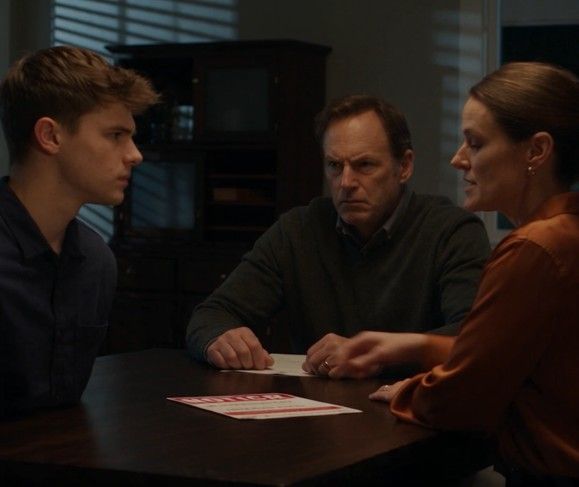
Rebecca tore my eviction notice in half over the kitchen counter.
“Sell your house,” she said. “My mother’s debts come first.”
The pieces landed beside my coffee. Across the table, my son Andrew stared at them without saying a word.
I had given them thirty days to leave.
For two years, I had given them almost everything else.
When Andrew lost his job, his wife called their move into my Naperville home “a soft landing.” I cleared both upstairs bedrooms, paid the utilities, and bought enough groceries for three.
I never asked for rent.
That morning, Rebecca arrived in my kitchen wearing her tailored camel coat, carrying a stack of bills that belonged to her mother.
Credit cards. Medical expenses. A loan for a failing salon.
She placed them on the granite as though they were mine.
“You’re sitting on nearly a million dollars,” she said. “You could buy something smaller. My mother could finally breathe.”
I looked at Andrew.
He was turning his wedding ring around his finger.
“Is this what you want?”
“Mom,” he said quietly, “just hear her out.”
Outside, a neighbor was dragging a trash bin toward the curb. Through the window, I watched one stubborn wheel scrape along the pavement.
Inside my kitchen, nobody moved.
“This is my home,” I said.
Rebecca let out an impatient breath.
“And she’s my mother.”
As though that settled it.
As though the years I had spent paying for this house were an inconvenience we needed to get past.
I took the envelope my attorney had prepared from the drawer beside the stove.
Two notices. One for each of them.
“You have thirty days.”
Andrew stopped turning his ring.
Rebecca read the first line, then tore the paper.
I expected shouting next. An accusation. Perhaps another appeal to family.
Instead, she looked at Andrew.
