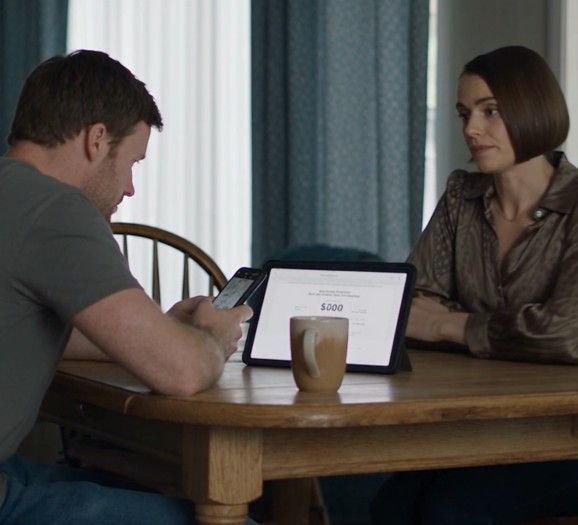
Sloan slid an $800 rent notice across the kitchen table my late husband had built, then tapped her manicured nails against her iPad as if she were presenting a routine business expense.
My son Gavin sat beside her, forty-three years old and staring at his phone. The house had been our home for thirty years. I still paid the taxes, insurance, heating oil, repairs, internet, and groceries. The deed, however, was in Gavin’s name. Warren and I had signed it over years earlier, believing it would make things easier after we were gone.
I asked Gavin directly whether he agreed with charging me rent for the downstairs bedroom.
He finally looked up. “We all need to contribute, Mom.”
That sentence broke something in me. Gavin and Sloan had moved in months earlier after falling behind on their townhouse. I had invited them to stay while they rebuilt their finances. They took the entire second floor; I moved downstairs. I cooked, kept the fridge full, picked up their children, and handled every household bill before it reached them.
Now Sloan said my rent would help pay for her mother’s home health aide. She spoke as though this were simply another responsibility I should accept.
I used to argue by listing every sacrifice. Instead, I said, “I understand,” and carried my cold coffee to the sink. I brought out the old coffee machine Sloan had hidden behind her espresso setup, then went to my room and closed the door.
I did not search for a lawyer. I searched for professional movers.
Warren and I had bought a small condo near a lake in New Hampshire for retirement. We had rented it out, but the tenant had moved the previous month. It was empty, smaller than this house, and mine. I called the management office to ask them to turn on the water and inspect the heat. The woman assumed I was preparing the place for another tenant.
“No,” I told her. “This time, I’m preparing it for myself.”
The next morning, Sloan handed me a grocery list without money. At the store, I bought bread, butter, cheese, apples, soup, and ground coffee—only for myself. When Sloan tore through the bags and demanded the rest, I told her tenants bought their own food.
“The children need dinner,” she snapped.
“They have two parents.”
Her face changed. She had not imagined what it would look like if I acted like the tenant she claimed I was.
I carried my groceries downstairs and opened the folder marked HOUSEHOLD ACCOUNTS. Nearly every essential account was still in my name. I called the insurance company and asked to cancel the policy at month’s end unless the legal homeowner transferred it. Then I reached for the heating-oil contract.
Upstairs, a door closed. I held the phone and listened to the quiet house, wondering how much of our life Gavin and Sloan had mistaken for something that would simply continue forever. Then I dialed the number printed on the contract.
The recorded voice asked me to press one for delivery, two for billing, or three for service. I pressed two. While the line rang, I heard Gavin moving across the floor above me, then the muffled sound of the television turning on.
A representative named Paula answered. I explained that the account was in my name and that I would be moving out. The tank was currently above half, and the next automatic delivery was scheduled for the following week.
“Would you like to cancel the delivery and close the account?” she asked.
I glanced at the folder in my lap. “I want to stop automatic deliveries. The homeowner can start a new account if he chooses.”
“I can put a hold on the next delivery and mark the account for closure at the end of the month. We’ll need a final meter reading, and there may be a service fee.”
“That’s fine.”
She gave me a confirmation number. I wrote it on the contract in Warren’s old blue pen. It felt strange to take such a small step and know it might change the whole house. But a tank of heating oil was not a family bond. It was a bill, and I had been paying it without asking whether anyone noticed.
When I went upstairs, Sloan was at the counter with the grocery list. Gavin sat at the table now, phone face down. Their two children, Noah and Lily, were in the living room building a tower from wooden blocks. They were six and nine, old enough to read tension but too young to understand its cause.
“Did you cancel the oil?” Sloan asked.
“I stopped the automatic delivery. The account will close at the end of the month.”
Her eyes sharpened. “You can’t do that in winter.”
“I can close an account in my name.”
“You’ll leave us with no heat?”
“No. The tank is more than half full. You have time to open an account as the homeowner.”
